
Stunt Overview
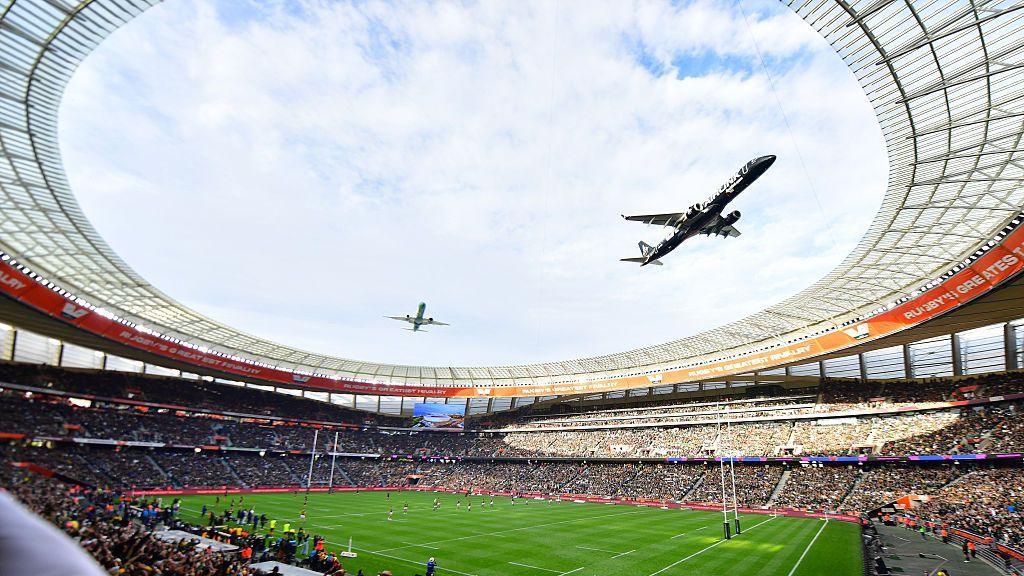
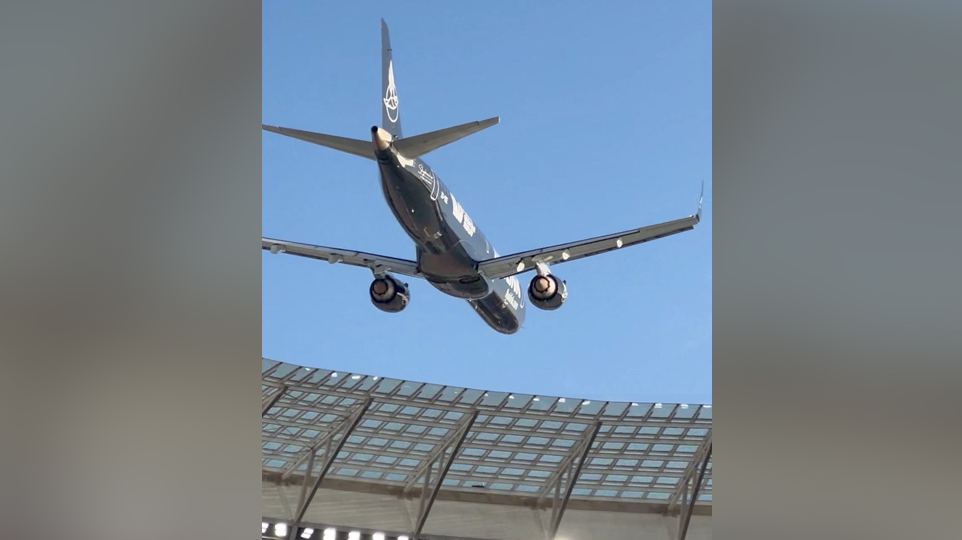
During the opening moments of the South Africa‑New Zealand rugby match at Cape Town’s DHL Stadium, two Airlink jets performed a low‑altitude flypast, passing within 50 feet (15 metres) of the roof. Flares erupted as the planes approached, creating a dramatic spectacle for the 48,629 spectators in attendance.
Safety Claims
In a statement posted on government news outlets and amplified by Airlink’s social media, the airline said: 'The two aircraft were flown by highly experienced crews, each comprising senior captains fulfilling commander, co‑pilot and safety officer roles. The flights were performed with approved and rehearsed safety altitude and speed limits for the flypast.' Airlink added that the maneuver had been carefully planned with the support of aviation authorities.
Public Reaction
Reactions were mixed. Some commentators called the manoeuvre reckless, citing the risk of a potential collision with the packed stand. Others praised the precision and expertise required, with many South Africans expressing national pride over their pilots’ skill.
Historical Context
The flypast echoes a tradition of aerial displays in South Africa’s sporting history. In 1995 a South African Airways plane flew over a Johannesburg stadium before the Rugby World Cup final that saw the country defeat New Zealand – a moment immortalised in the film Invictus and seen as a symbol of unity under Nelson Mandela.
Expert Analysis
Flight tracking service Flightradar24 confirmed the lead aircraft passed less than 50 feet above the stadium roof, validating Airlink’s safety parameters. Aviation safety experts stress that while margin for error is small, pilots trained at the highest levels can execute such passes with minimal risk when protocols are strictly followed.
Despite the controversy, Airlink remains a show‑stopper of a type rarely seen in commercial aviation, combining spectacle with signals of national strength. Whether the public will accept this new era of low‑altitude exhibitions remains to be seen.
For more coverage on South Africa’s aviation scene, follow BBC Africa on Twitter, Facebook and Instagram.