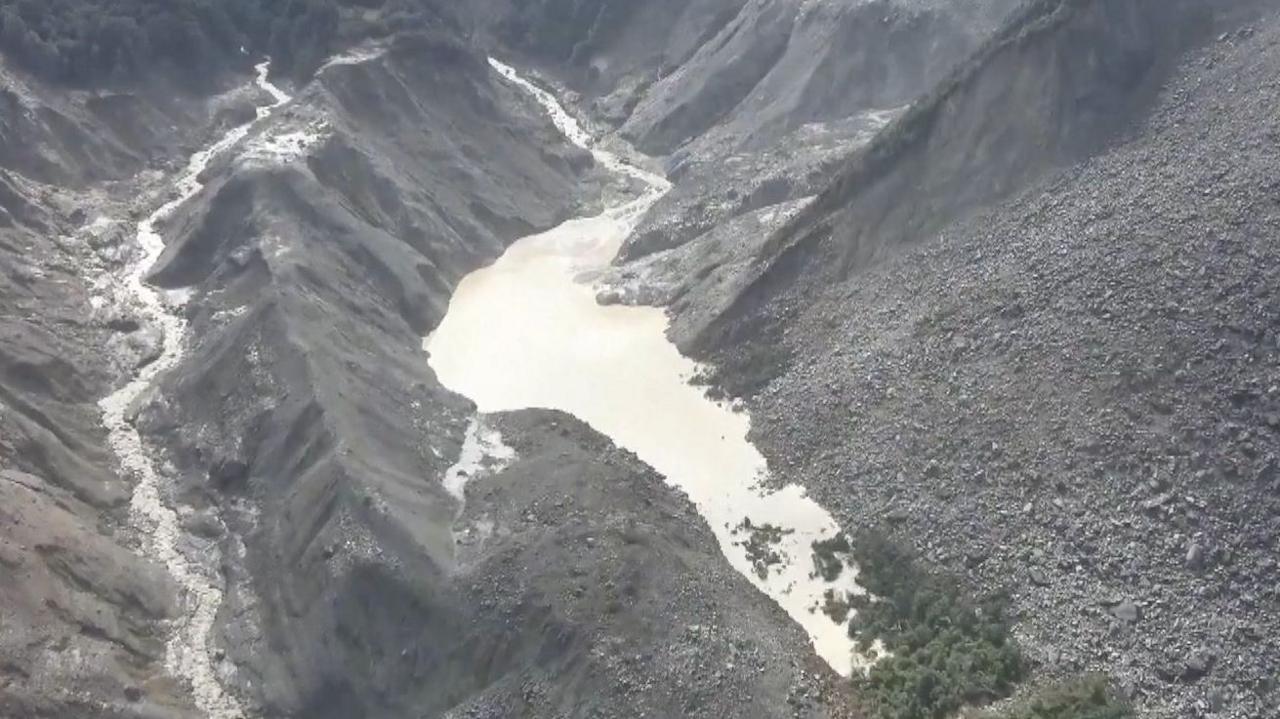
After a glacial collapse triggered a flash flood, Nepal observed a national day of mourning for the victims. The country’s flags flew at half‑mast while candlelight vigils marked the final day of the 13‑day traditional mourning period.
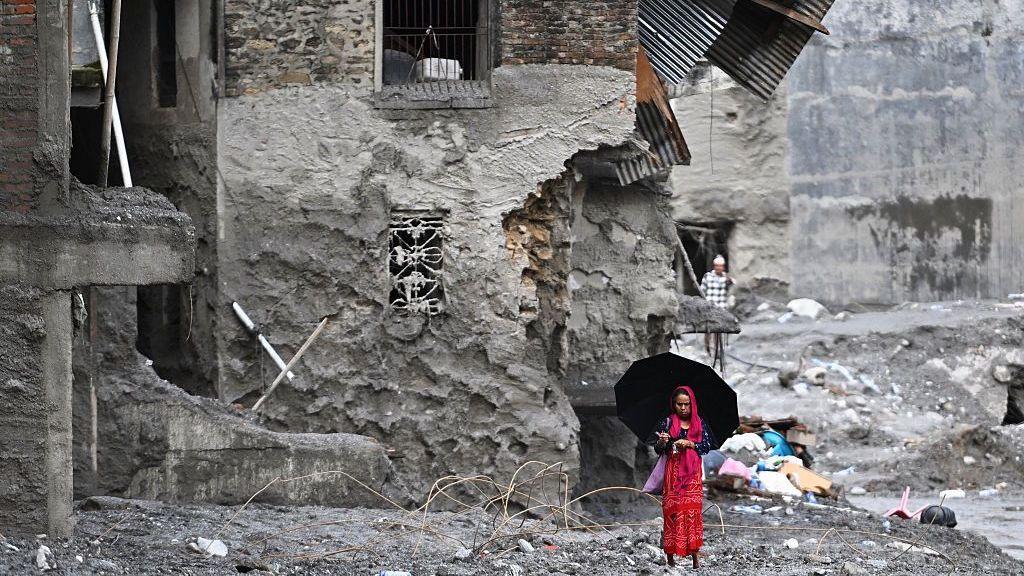
Rescue teams continue their search amid the still‑damaged flood‑hit areas. At least 1,287 people are known to have died, and more than 5,000 remain missing almost two weeks after the disaster.
The National Emergency Operation Centre said no government programmes would be organised because the search and rescue were still ongoing. Nepal’s president toured the devastated sites and officials announced that all government offices, including diplomatic missions abroad, would keep flags at half‑mast.
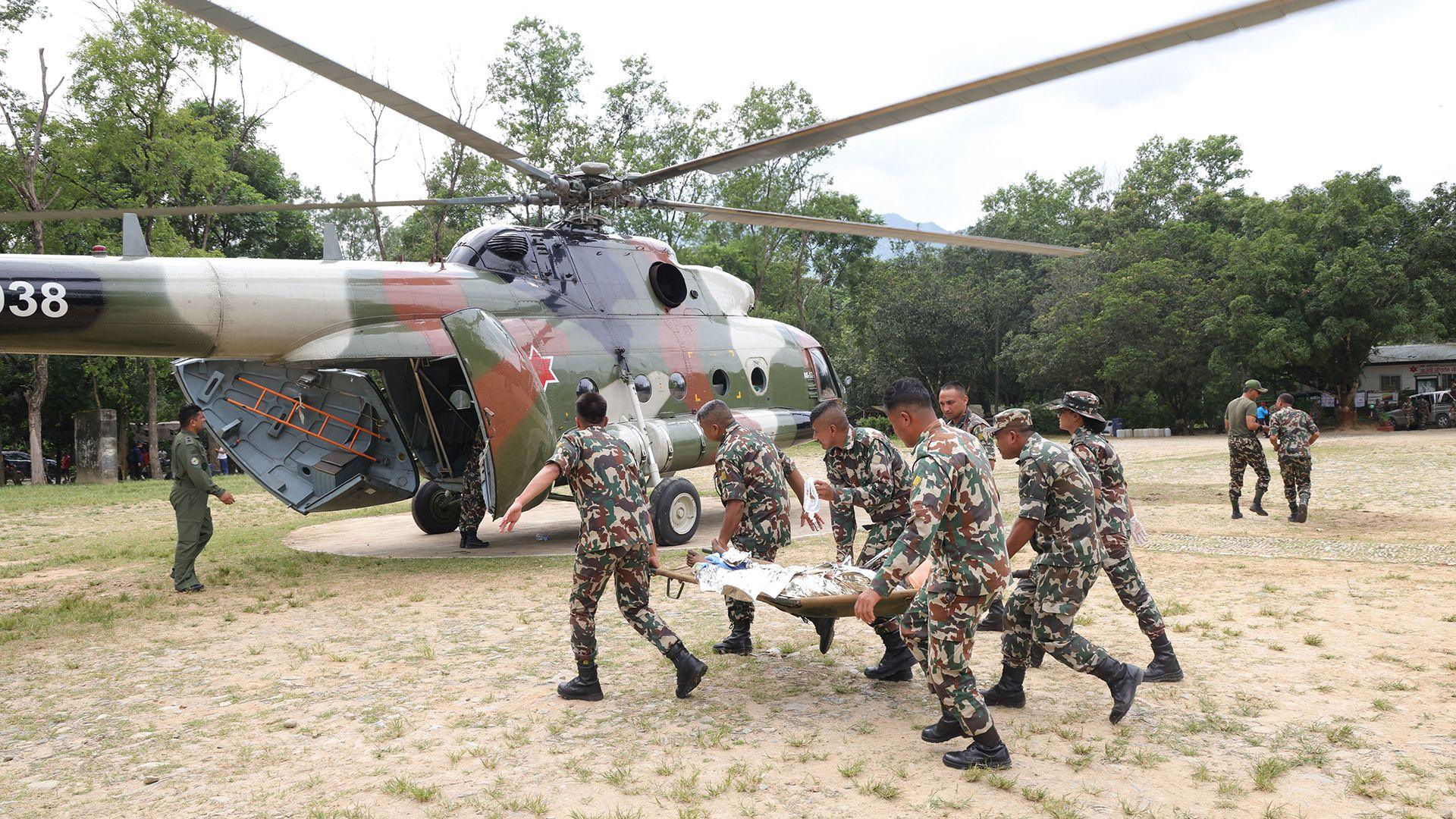
The army spokesperson, Raja Ram Basnet, told AFP that rescue efforts are proceeding at the same tempo as the first day, focusing on ground, air, and tunnel operations. He added that “we are making sure no one is still stranded.”
One of the few hopeful moments came when a 64‑year‑old woman was pulled from a water‑buried house, more than ten days after a mud‑and‑rock wall had partially sunk her building in Nuwakot district. She was found by the Armed Police Force on the fourth floor and airlifted to a hospital in Kathmandu.
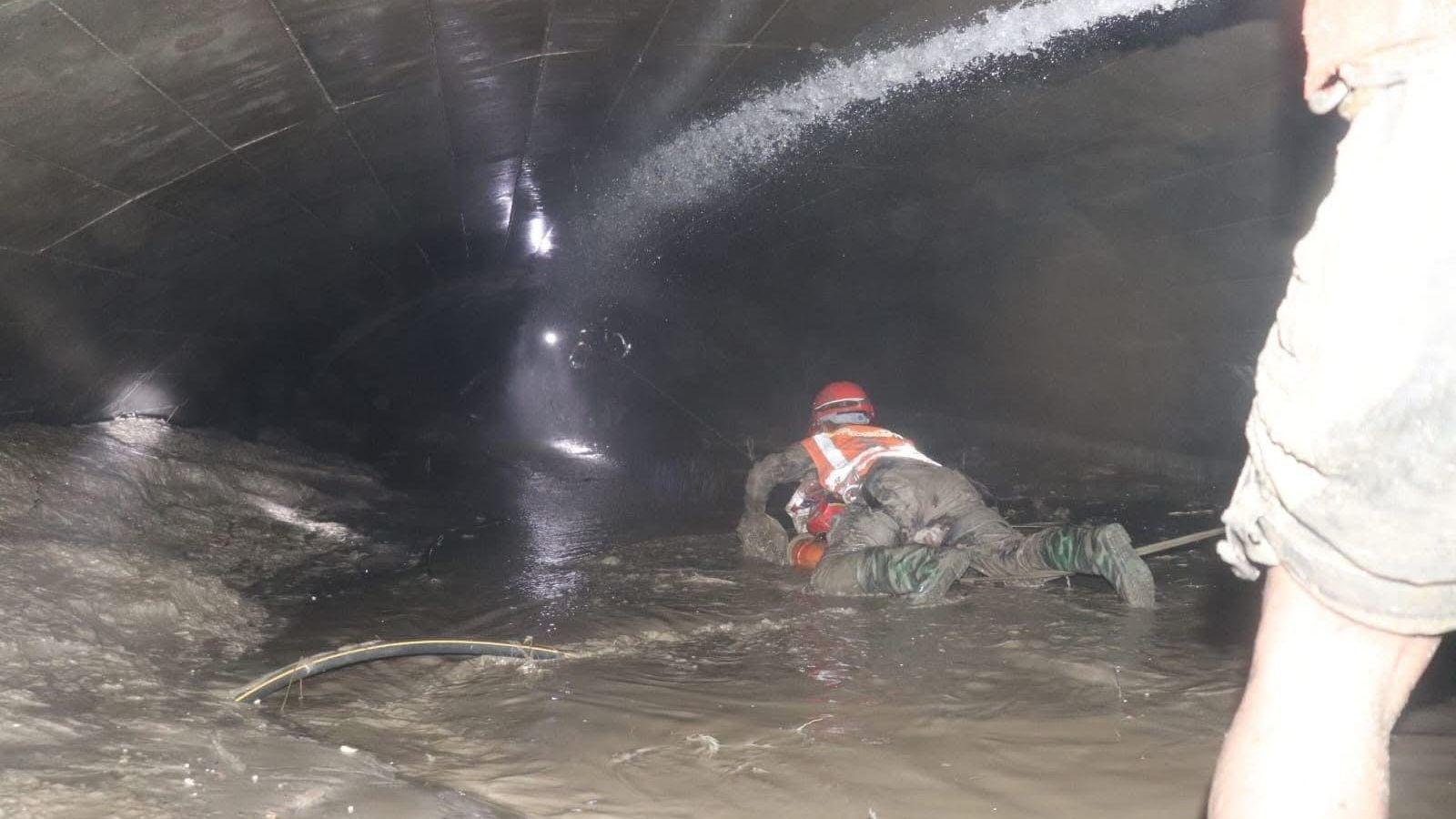
Additional rescues are expected from hydropower tunnels, where hundreds of workers are missing. The Australian tunnel‑rescue expert Arnold Dix warned that the operation involves multiple simultaneous rescues, each with its own dangers and uncertainties.
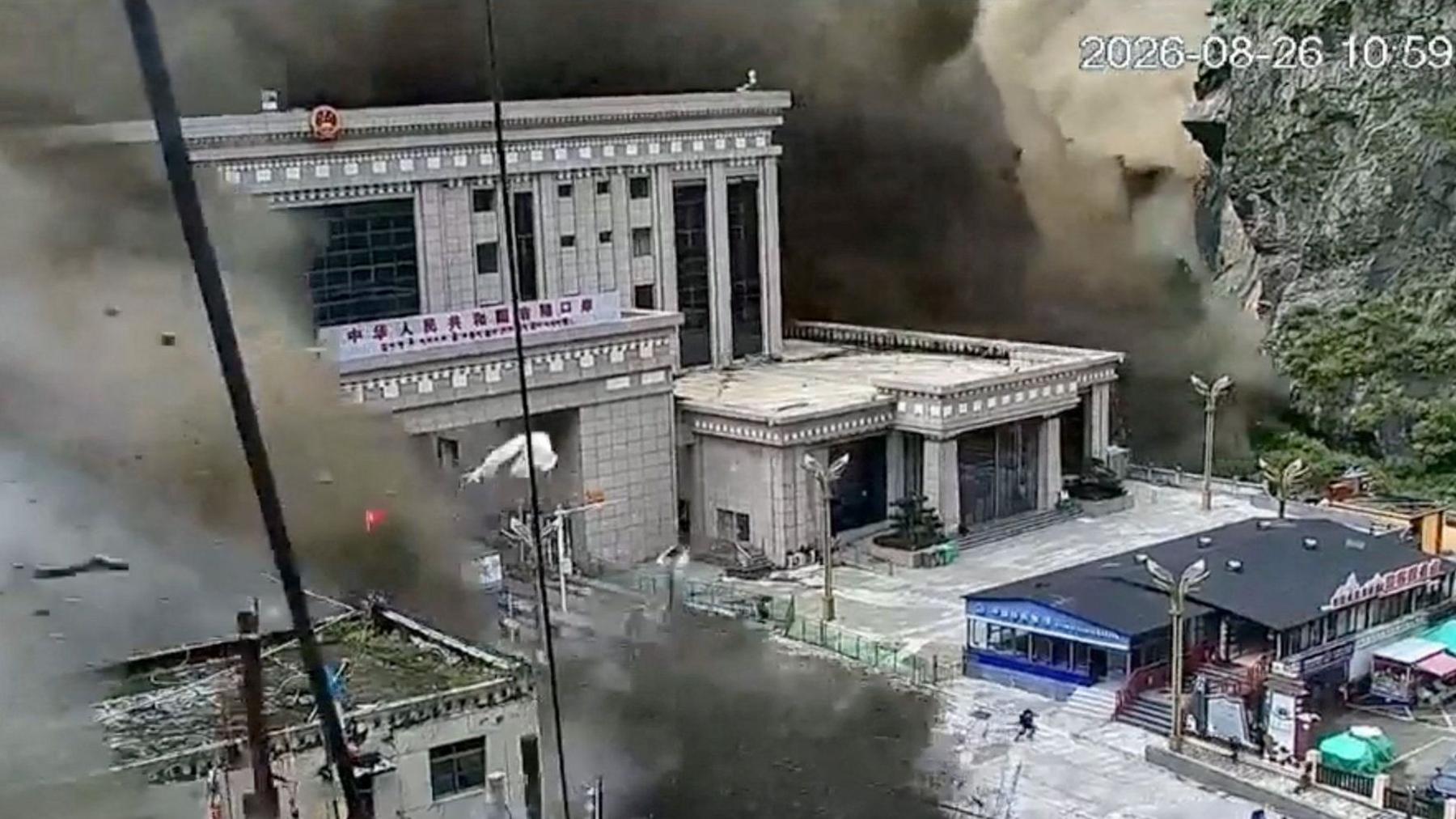
In the Chinese part of the border, Luo Tai reported that 31 people had died and 531 were unaccounted for, while 12 bodies were recovered by Chinese rescuers.