In brief
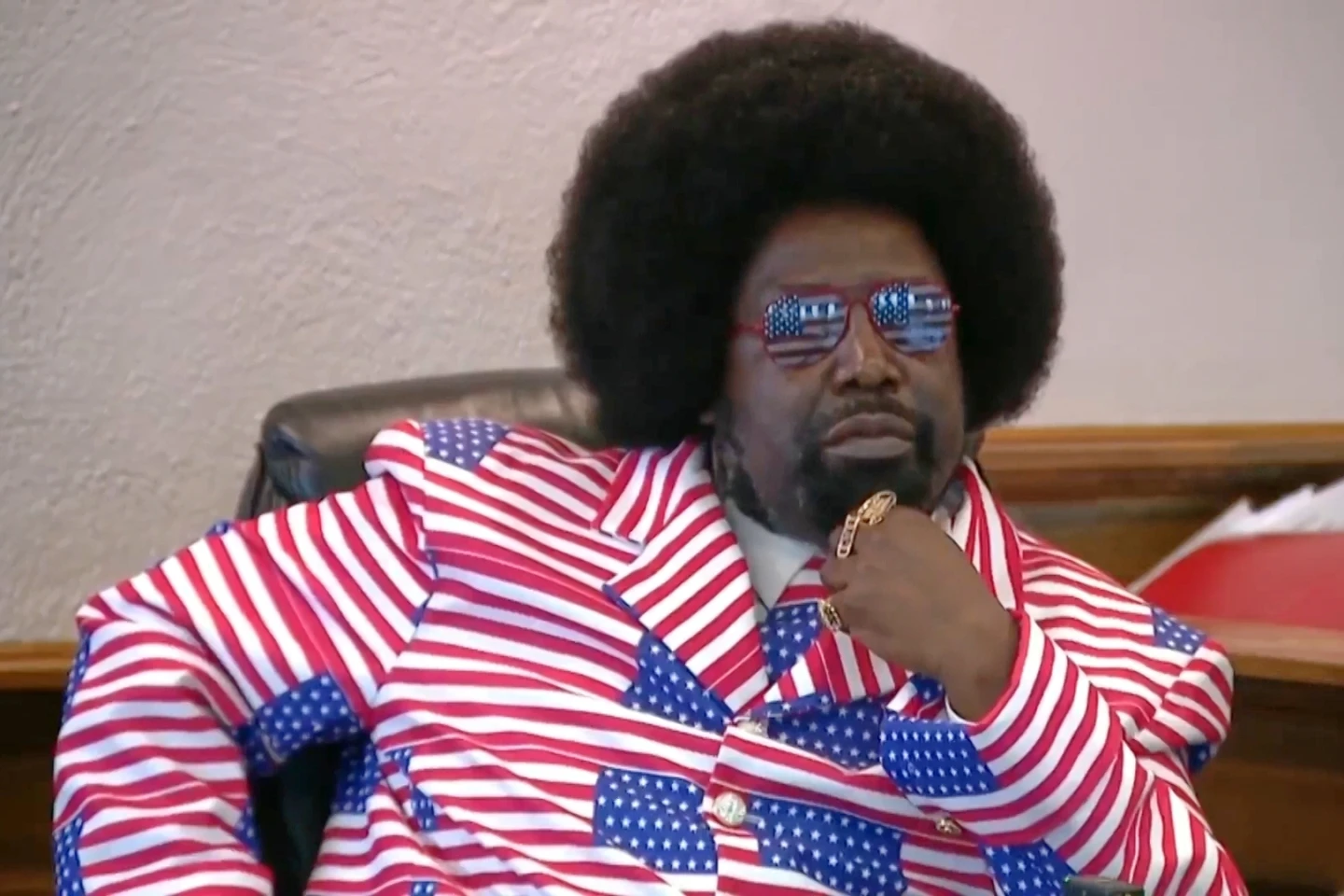
In a landmark ruling, rapper Afroman won a defamation lawsuit filed by seven Ohio sheriff’s deputies who claimed they were mocked in his viral music videos that featured footage of a police raid on his home. The case sparked discussions on freedom of speech and the role of parody in artistic expression. Afroman celebrated the verdict, emphasizing the importance of his right to criticize public officials.
In a significant legal battle highlighting the boundaries of artistic expression, Grammy-nominated rapper Afroman, whose real name is Joseph Foreman, has emerged victorious in a defamation lawsuit brought by seven Ohio sheriff’s deputies. The deputies sued the rapper over music videos where he used home security footage to humorously portray the aftermath of a police raid on his home. After the verdict was delivered, Afroman jubilantly exclaimed, 'We did it, America! Yeah, we did it! Freedom of speech!' and proudly shared the moment on social media.The lawsuit examined the extent of parody in artistic commentary directed at public figures and sought nearly $4 million in damages from Afroman. During the trial, Afroman’s defense argued that it is expected for public officials to face criticism, particularly law enforcement officers who often find themselves in the crosshairs of community scrutiny. Afroman’s attorney, David Osborne, succinctly stated, 'No reasonable person would expect a police officer not to be criticized.'The viral videos in question accumulated over 3 million views, depicting officers breaking down Afroman's door during a drug and kidnapping investigation that ultimately did not result in any charges. The footage, which featured humor and personal jabs at the deputies, led to one song's title, 'Lemon Pound Cake,' as it showed the deputies eyeing the rapper's kitchen cake during the raid.Afroman defended his work by asserting his First Amendment rights, explaining that he had done the videos to recoup damages from the incident, which left his property damaged. He emphasized, 'The whole raid was a mistake. All of this is their fault.' Afroman's songs, which frequently mocked the deputies and included humorous lyrics addressing the police raid, became focal points of the lawsuit, with the relevant music videos further escalating public interest and debate.Deputy Lisa Phillips and Sgt. Randy Walters testified about the emotional toll the videos took on their personal lives, expressing concerns about public ridicule and the impact on their families. The deputies described the songs as damaging, falsely portraying them in a derogatory manner. Afroman’s lawyer maintained that artists often use exaggeration in their commentary to convey messages, highlighting the importance of satire as a valid form of expression. In closing arguments, Afroman’s attorney claimed that the comments made were simply artistic exaggerations intrinsic to the comedian's craft, reassuring the court that freedom of speech and artistic expression should prevail against frivolous claims by public figures, like the deputies involved.Afroman has stated that if the raid had not occurred, the deputies would not be on his surveillance videos, and there would be no associated songs. His legal victory resonates well beyond this case, emphasizing important discussions around freedom of speech, parody, and the rights of artists to critique public institutions.