In brief
A training aircraft plunged into Milestone School in Dhaka, killing 36, mostly children, on July 21, 2025. A year later, survivors and relatives held a memorial, urging officials to release a comprehensive investigation report and provide compensation. The report was completed in November but remains unpublished, leaving families frustrated with lack of transparency and long‑term medical support. The case illustrates the stakes of aviation safety near populated areas and the complex aftermath of such tragedies.
On July 21, 2025 a Bangladeshi Air Force training aircraft crashed into Milestone School and College in the Dhaka suburb of Uttara, killing 36 people, most of them children. The incident remains the deadliest aviation disaster in the country’s history.
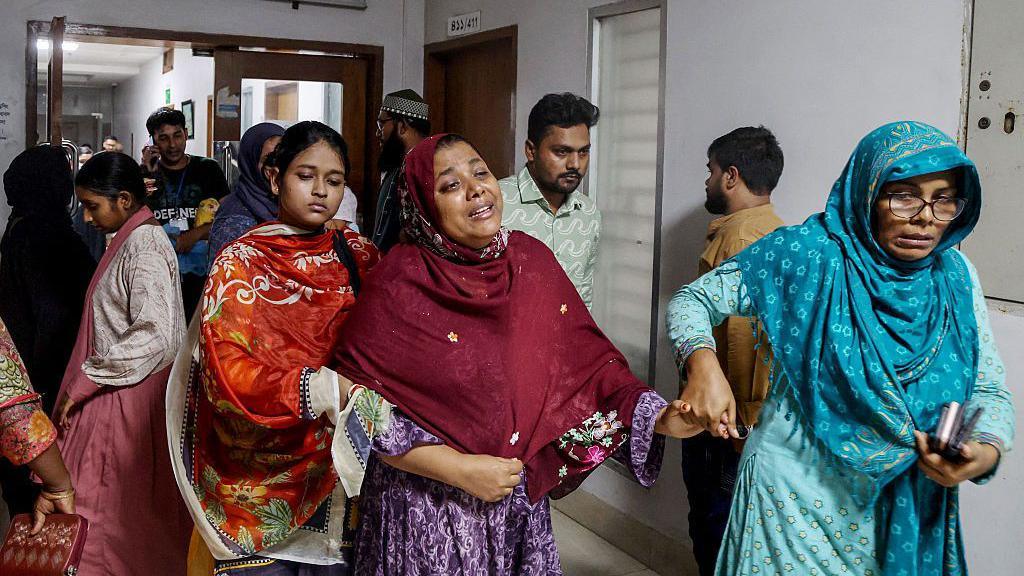
A year later, survivors and relatives gathered at a Dhaka hospital memorial to mark the anniversary. Families – many with burn injuries and ongoing medical needs – insist that the official investigative report has not been released and that the government has not taken the promised steps to compensate and help the victims.
The commission submitted its findings to the government last November. The document, obtained by journalists, highlighted several failures: a lack of building code compliance at the school, over 600 nearby buildings that exceeded height restrictions, pilots’ insufficient training and the absence of flight oversight. Importantly, the report ruled out a mechanical fault in the aircraft, contradicting an earlier statement by the armed forces.
“I still cannot see a school without feeling fear,” said 15‑year‑old Nure Jannat Yusha, who was one of the 160 people injured and who has now lost her dream of becoming a dancer. Her mother, Yasin Akter, described the psychological toll on their family, noting that Yusha no longer wants to study.
Mansur Helal, another victim’s husband, spoke at the memorial. He warned, “No one can guarantee another plane will not fall onto this school,” while urging that the full report be made public and that survivors receive the support that is still pending. He was joined by schoolteacher Mahreen Chowdhury, who died from severe burns sustained while rescuing students.
Government officials at the event promised that survivors who need further medical treatment would receive support. Health Minister Dr. Sardar Hossain reiterated that the state would meet the medical needs of survivors, while Prime Minister Tarique Rahman’s wife hailed the “courage” of the survivors as inspirational.
Despite the promises, many students visiting the memorial, marked by burn scars, remain unable to return to school or regain their former academic performance. The case raises critical questions about aviation regulation in densely populated urban areas, post‑disaster support, and transparency in government investigations.