Warning: This piece contains details that some readers may find distressing
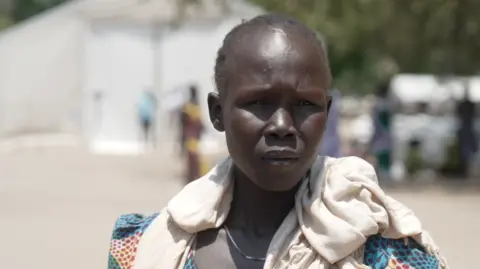
Touma hasn't eaten in days. She sits silently, her eyes glassy as she stares aimlessly across the hospital ward, holding her severely malnourished three-year-old daughter, Masajed.
In Bashaer Hospital, one of the last functioning hospitals in Khartoum, patients come seeking urgent care amid the chaos of Sudan's civil war, which began in April 2023. The malnutrition ward is overcrowded with children too weak to fight diseases, their mothers, including Touma, watching helplessly.
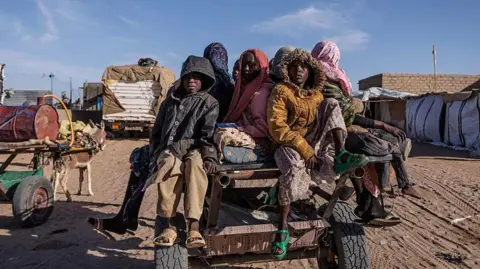
Refugees from a violent clash between the Sudanese army and the paramilitary Rapid Support Forces (RSF), Touma's family barely escaped with their lives and everything they owned was taken from them. The fight for survival has intensified, and Touma's children began to suffer from malnutrition due to lack of food.
As her family faced dire poverty, both of her twin daughters, Masajed and Manahil, were brought to the hospital. Unable to afford medication for both, Touma made the impossible choice to procure antibiotics only for Manahil.
I wish they could both recover and grow, Touma weeps. Her heart breaks every day as she wishes to see both her daughters walk and play again. I just want them both to get better, she says, tears streaming down her face.
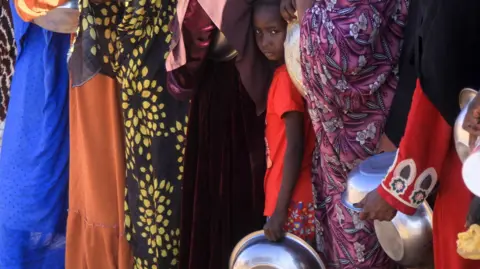
With humanitarian organizations reporting three million children under five suffering from malnutrition, the current crisis in Sudan remains one of the world's worst. Free medical services are available, but crucial medicines are often out of reach for struggling families.
As the conflict continues, children like Zaher, who lost his legs in a drone strike, strive to regain semblances of normalcy, while children like Ahmed pick up the remains of their old lives in destroyed playgrounds. Sudan's children have been robbed of their childhoods and dreams, left in a land where laughter has been silenced by fear and despair.
In the words of Touma: I have nothing. I have only God. The heartbreaking choices that parents are forced to make reflect the harrowing reality that defines life in Sudan today, making the survival of their children a faint hope amidst overwhelming sorrow.