In brief
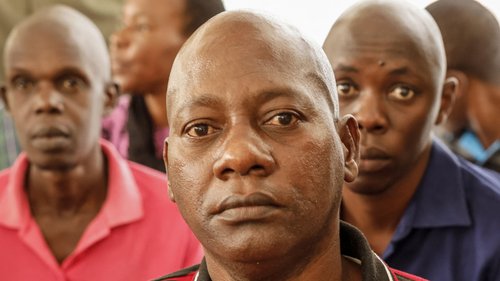
In the years since the tragic Peshawar school attack in December 2014, which led to the deaths of approximately 150 individuals, predominantly children, the perceived safety and stability in Pakistan have crumbled. Families of victims, such as Ajoon Khan, whose son lost his life in the incident, express frustration and heartbreak over the current security situation, feeling that their children's sacrifices were made in vain. The unity surrounding Pakistan's fight against terrorism, catalyzed by that barbaric event, is fading as political, economic, and social challenges resurface.
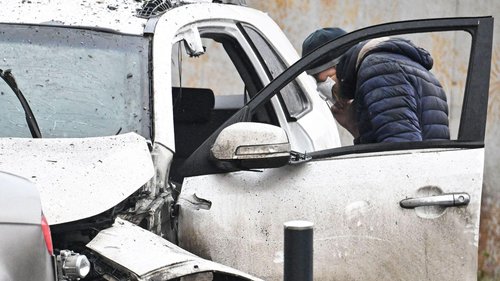
Initial military operations in response to the Peshawar attack provided significant improvements in security, with death tolls from terrorist activities plummeting from over 2,400 in 2013 to just 220 by 2020. Unfortunately, recent years have seen a marked resurgence in violence primarily instigated by the Pakistani Taliban (TTP) and other militant factions asserting power in Khyber Pakhtunkhwa Province. The fall of the Afghan government to the Taliban in August 2021 has been linked to this resurgence, as the TTP gains ground and begins to orchestrate increasingly deadly attacks, including a mosque bombing in Peshawar that claimed over a hundred lives.The political landscape in Pakistan compounds the obstacles to effective counter-terrorism. With the Taliban in Afghanistan allegedly harboring TTP militants and providing them with advanced weaponry, Pakistani officials now grapple with growing instability at home while their military focus becomes politicized amid local governance crises. Moreover, economic constraints, waning public support, and diminished international assistance from the U.S. further hinder efforts to tackle militancy effectively.The recent uptick in attacks not only threatens public security but has also strained relationships with critical allies such as China, which has invested billions in Pakistan. Attacks targeting Chinese nationals have prompted urgent calls for improved security measures. In this volatile environment, Prime Minister Shehbaz Sharif has proposed a military operation against ethnic separatist groups, mirroring earlier responses to extremism. However, skepticism abounds regarding its viability given the current climate of political division and public dissent towards extensive military campaigns.As these conditions unfold, ordinary citizens express deepening despair and fear for their safety, believing that unless swift and decisive actions are taken by the government, another tragedy similar to that of 2014 may be imminent. The haunting memories of the past loom large over communities, with families like Khan's continuing to bear the emotional toll of loss and an uncertain future in their fight against terrorism.