In brief
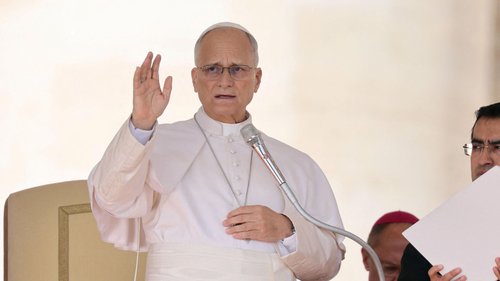
Pope Francis' funeral is scheduled for Saturday in front of St. Peter’s Basilica, featuring more modest rituals reflective of his papacy's focus on humility and simplicity. Following his passing from a stroke, the Vatican confirmed that mourning services would be held globally while preliminary efforts begin for the selection of his successor.
The Vatican City has announced that the funeral for Pope Francis will take place on Saturday, aiming for a simpler and more modest ceremony to align with the pontiff's preference for humility during his papacy. Cardinal Giovanni Battista Re will oversee the service, and the rites will adhere to guidelines established by Pope Francis last year. As tributes pour in from around the globe, including memorial masses in places as diverse as Tampa, Florida and Buenos Aires, Argentina, flags are being lowered to half-mast in countries such as Italy and Brazil. Mourners have begun gathering in droves to pay their respects, with Pope Francis' body set to lie in state in St. Peter’s Basilica for three days prior to the funeral.Political leaders, including U.S. President Trump and British Prime Minister Keir Starmer, are expected to attend, which poses logistical challenges for the Vatican's planning team. The funeral will be a significant moment, not only to honor the legacy of Pope Francis but also to kickstart the selection process for the next pope. This conclave will be composed exclusively of cardinals under the age of 80, who will gather behind closed doors to deliberate on the future leadership of the Roman Catholic Church.Pope Francis passed away on Monday after suffering a cerebral stroke that led to cardiac collapse; his death represents a pivotal moment in history for the Church, as he was credited for confronting social issues and reshaping many Catholic doctrines during his 12-year papacy. His will requested a simple burial at Santa Maria Maggiore, a historic basilica in Rome, where he expressed a desire for an undistinguished grave marked only with the name "Franciscus."With a focus on humanitarian issues, including climate change and refugee crises, Francis' legacy included a commitment to inclusivity, especially towards marginalized communities. His approach has garnered admiration and criticism, reflecting the complex nature of his papal leadership.As millions reflect on his many contributions, the Church stands at a crossroads, with many looking to the higher calling that next leadership will embody. Pope Francis' journey now concludes as the world awaits to see how his successor will shape the Church's path forward.