
In brief
As relief efforts are stifled by military control, experts warn that aid is used as a strategic weapon against resistance-held areas.
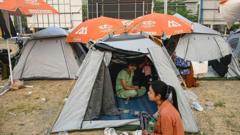
More than 2,886 people have tragically lost their lives following a devastating 7.7 magnitude earthquake that struck Myanmar recently. In the critical initial hours after such disasters, survival rates for those trapped under debris are significantly higher, but rescue operations in Myanmar were quickly hampered by military authorities. Reports from several aid organizations indicate that access to the hardest-hit regions was severely restricted, despite a public appeal by junta leader Min Aung Hlaing for international assistance.Witness accounts from rescue teams reveal the harsh realities on the ground. "The military imposed curfews and extensive checkpoints, causing delays and intense scrutiny of goods,” says John Quinley, director of Fortify Rights. The military's claim that these measures were for safety did little to ease concerns about their obstruction of aid.The earthquake marked the strongest seismic event to hit Myanmar in over a century, with international organizations and local relief groups struggling to provide essential support. Compounding these challenges, an attack on a humanitarian convoy by military forces has further raised alarms regarding the safety and viability of aid operations in the region.Human rights advocates highlight the pattern of the junta manipulating aid for political advantages. Aid is selectively directed toward areas under military control, while unauthorized regions struggle for basic survival supplies. James Rodehaver of the UN's Human Rights Commission suggested the junta's strategy serves as punishment against local populations that oppose its rule.The impact of these actions is already evident in post-earthquake Sagaing, where shortages of food, water, and medical supplies have reached alarming levels. Local volunteers report harrowing scenes as those who lost their homes are sleeping rough on the streets, exacerbated by stringent military checks that hamper essential aid deliveries. Gaining the necessary permissions to provide relief has become an arduous task as the junta imposes bureaucratic hurdles on NGOs wishing to operate in Myanmar. Many relief efforts have resorted to underground operations, coordinating anonymously to distribute aid in a manner that avoids military scrutiny. Nevertheless, these clandestine methods often lead to delays in assistance reaching those who require it most urgently.Despite the obstacles and resistance from the military, some aid workers remain cautiously optimistic that the scale of this disaster might compel a shift in the junta’s rigid handling of foreign assistance. However, skepticism remains high regarding the junta's motivations; past incidents of dual messaging—requesting help while simultaneously launching military operations—have raised doubts.Recent declarations by Min Aung Hlaing have led to a fragile promise of short-term ceasefire aimed at facilitating aid, but observers remain wary, questioning the sincerity behind such commitments. The urgent necessity to guarantee that humanitarian assistance reaches the intended recipients rather than being exploited for military gain has never been more critical.As the plight of Myanmar’s citizens intensifies, the international community faces mounting pressure to ensure that humanitarian efforts are not co-opted for military leverage, emphasizing the need for sustained monitoring and intervention to safeguard the most vulnerable populations in this ongoing crisis.

