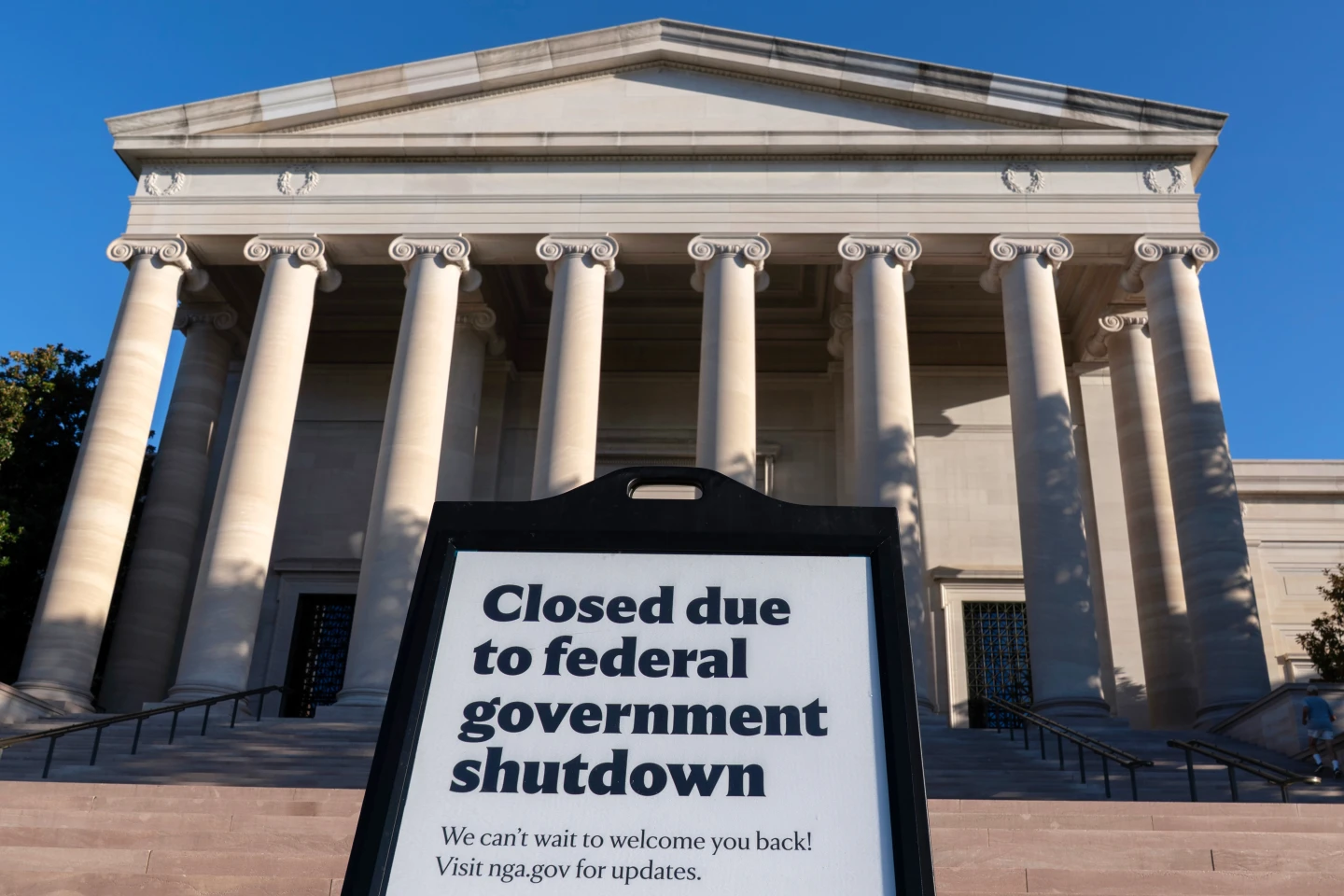
The US federal government has shut down after Republican and Democratic lawmakers failed to resolve a budget standoff.
The impasse affects the funding of government operations through October and beyond, poised to cause widespread disruption for Americans in areas ranging from air travel to zoo visits.
The political gridlock is also expected to put 40% of the federal workforce – about 800,000 people – on unpaid leave.
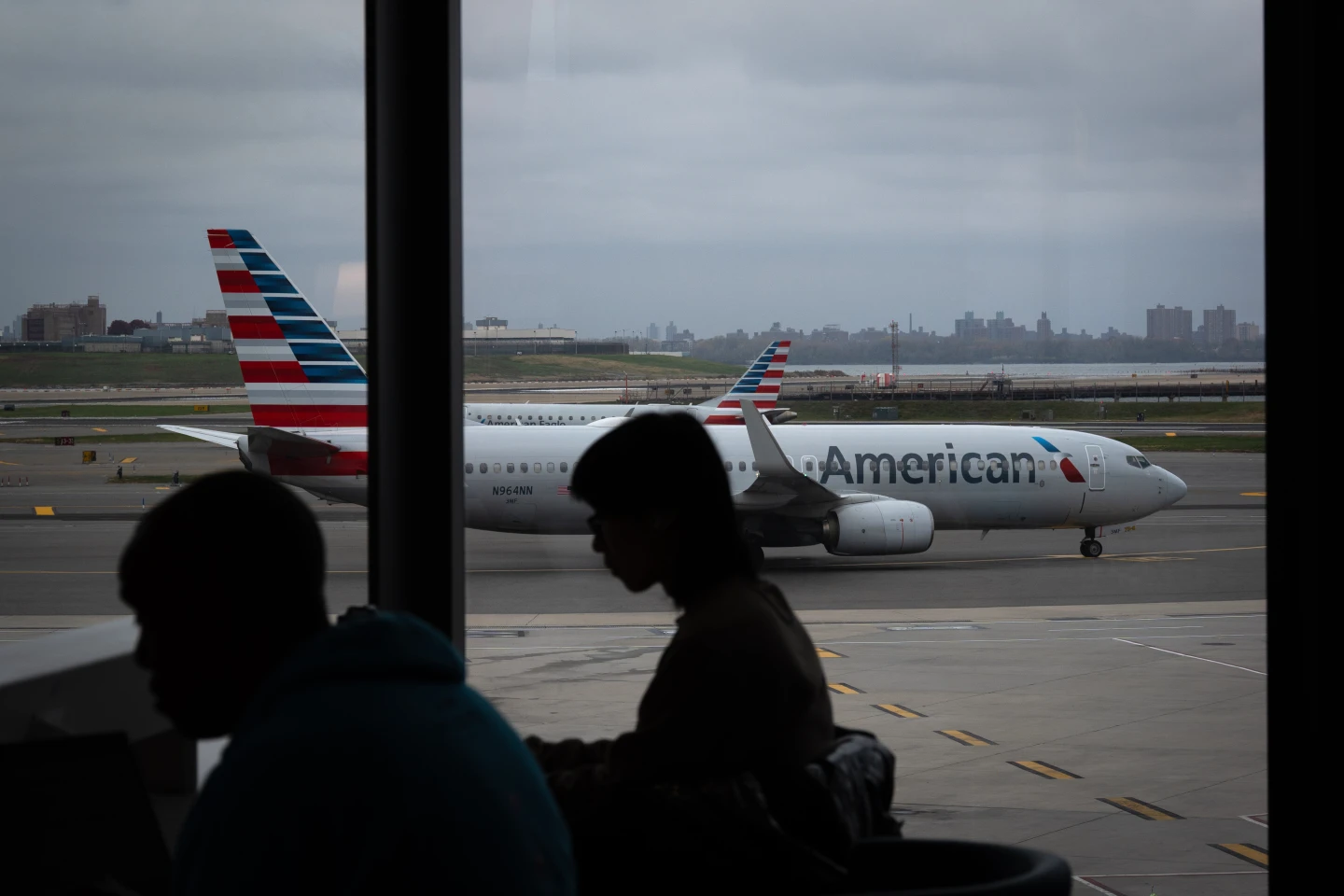
Your next flight
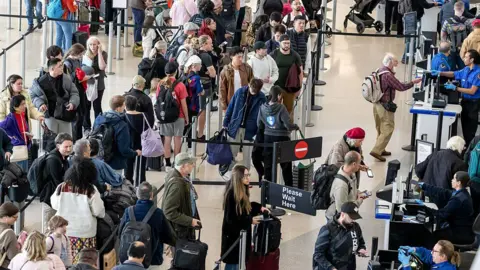
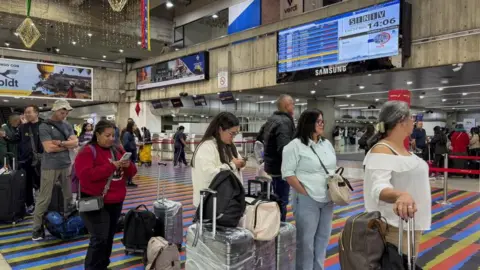
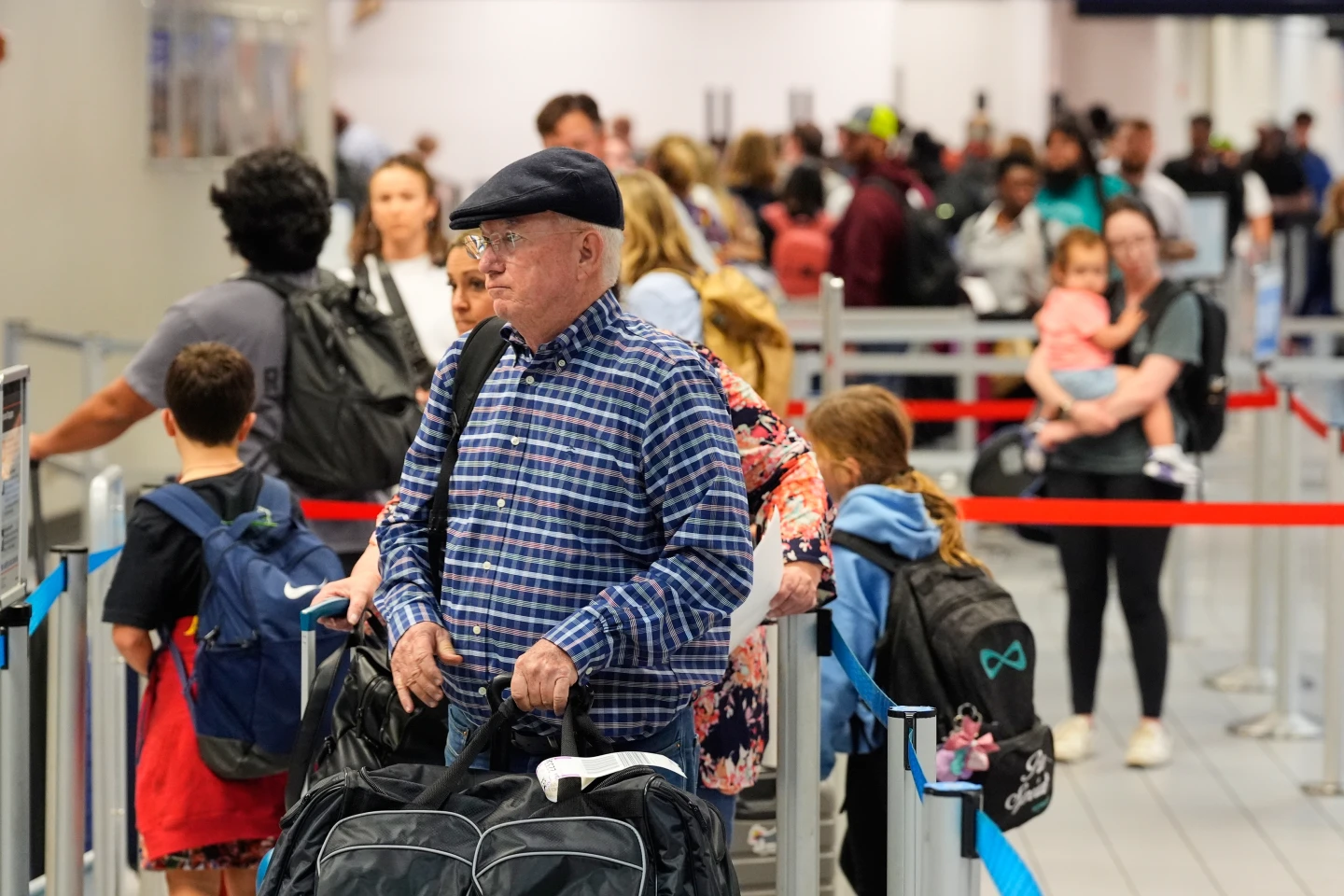
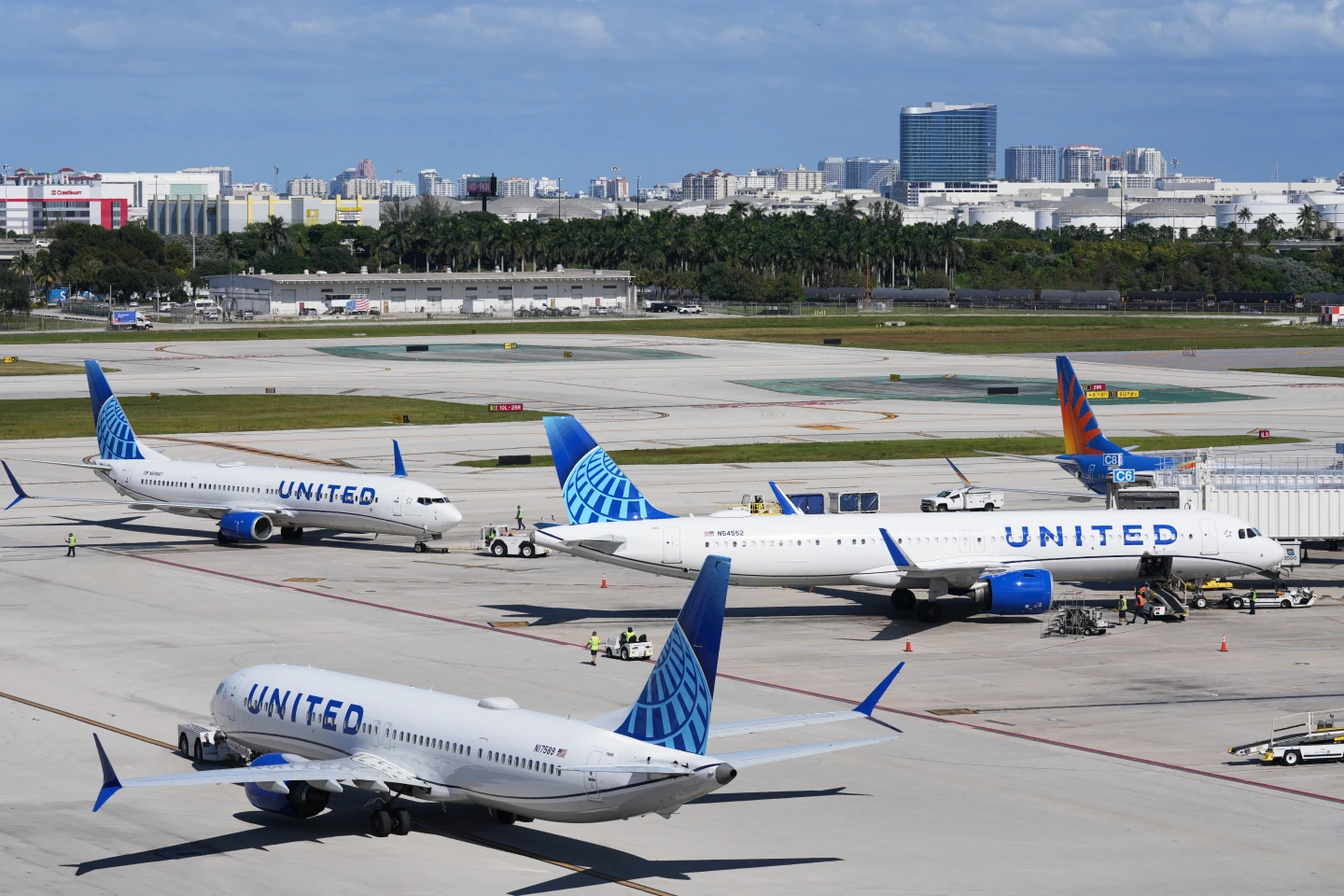
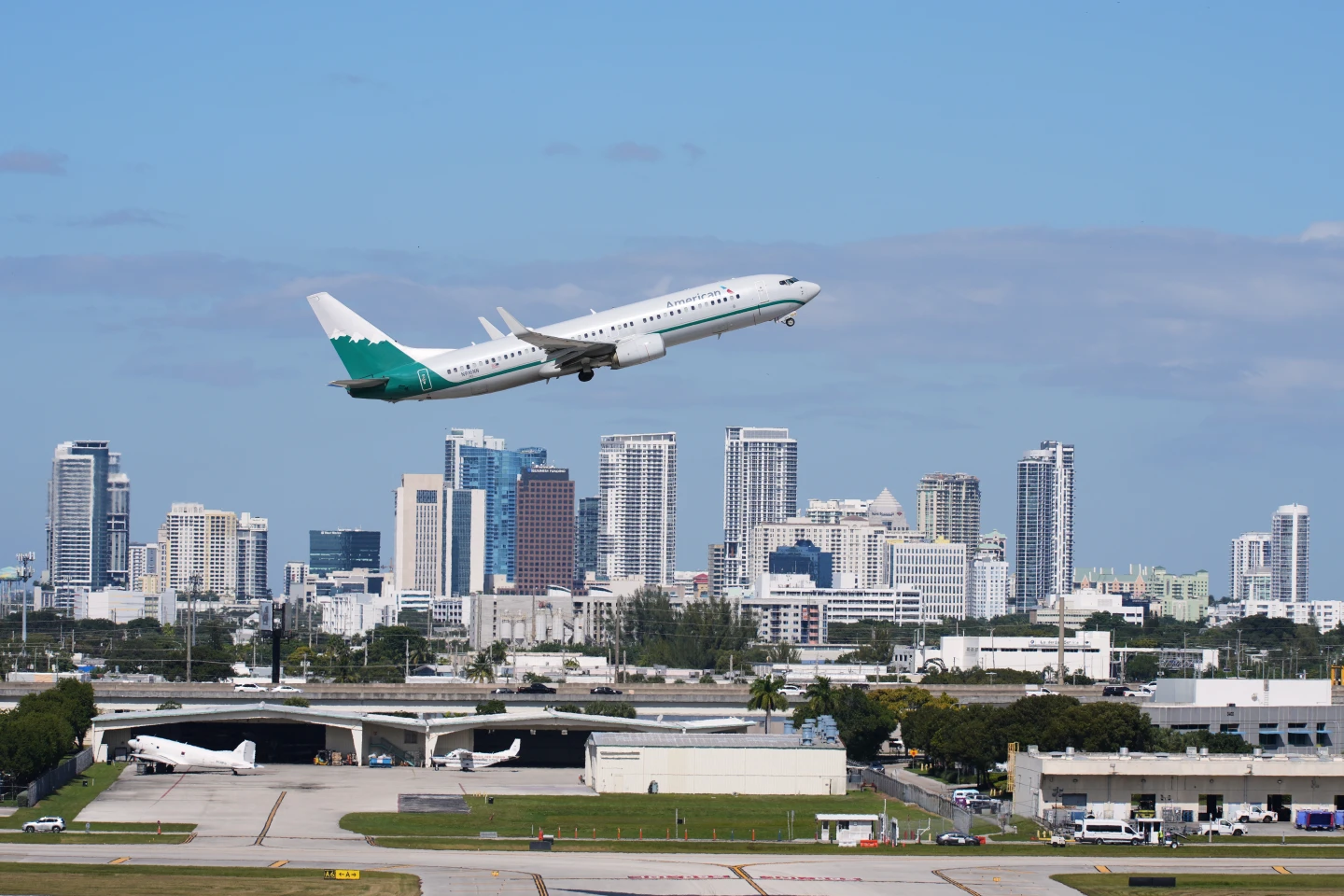
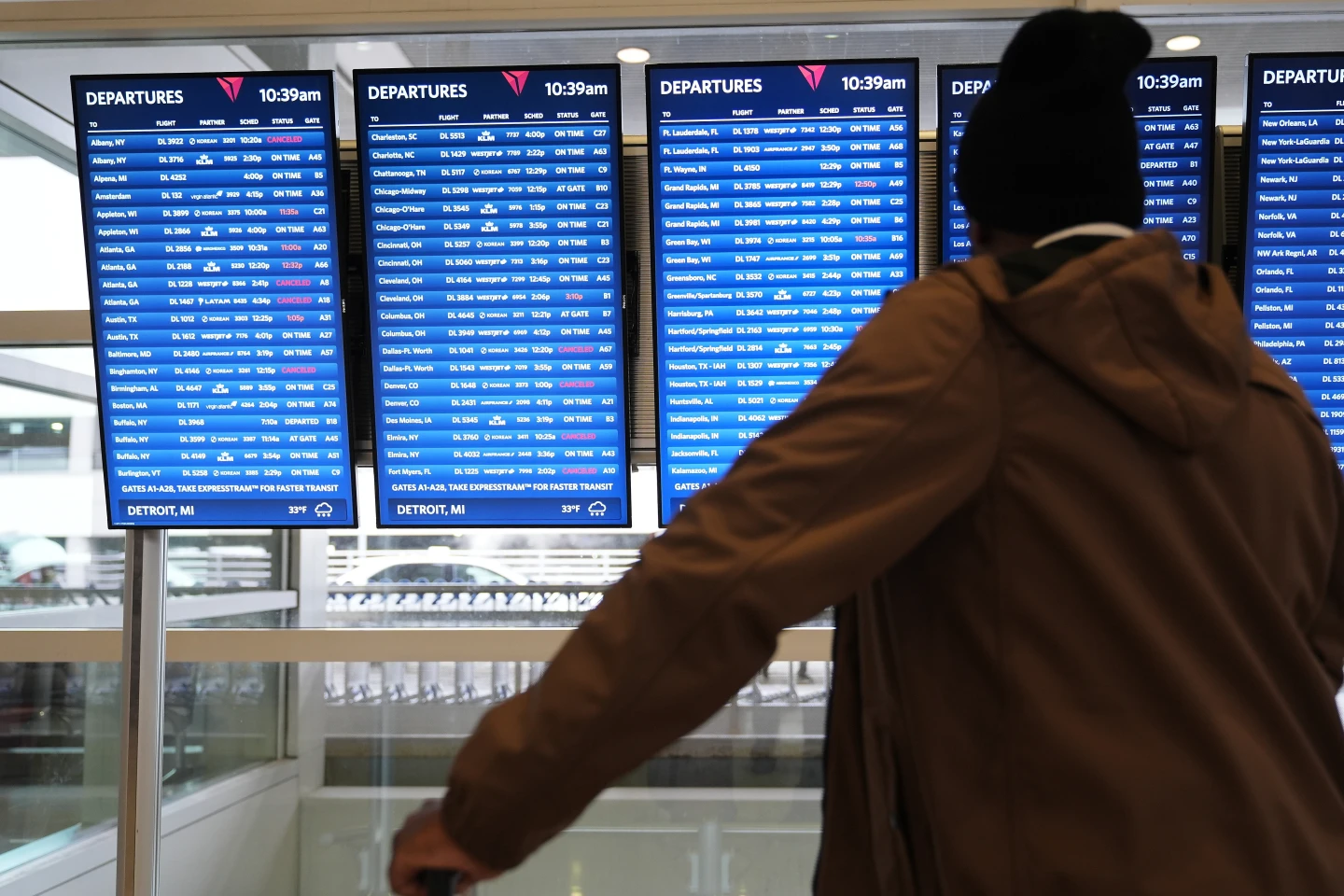
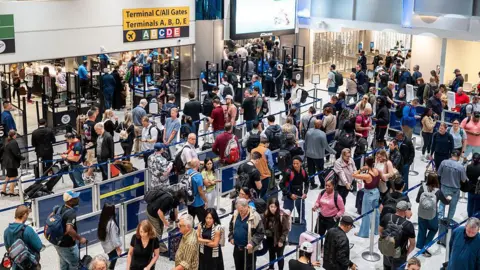
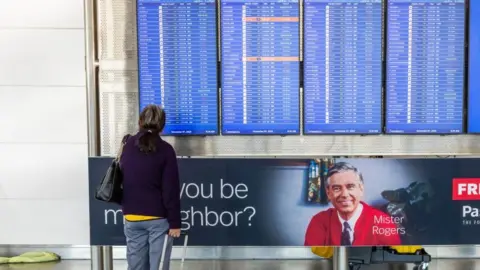
A federal shutdown will hit flyers in various ways, potentially leading to long security queues and delays caused by unpaid air traffic controllers choosing to stay home rather than work for free. Air traffic control and Transportation Safety Administration (TSA) workers are considered essential, so they will continue to work without pay, which previously led to increased sick leave during shutdowns, causing further airport delays.
Furthermore, Americans traveling abroad may experience longer processing times for their passport applications.
No work - or pay - for federal workers
Federal employees are expected to be hardest hit, as they will not receive any paychecks during the shutdown. Many may seek additional jobs, and those not deemed essential will be sent home without pay; they typically receive compensation retroactively after a shutdown. Agencies such as the CDC and NIH will furlough many workers, impacting ongoing research and handling of public health.
National Parks with no staff
During previous shutdowns, national parks have closed due to lack of staff, as federal employees are directed to stay home. Advocates urge for parks to be completely closed during shutdowns to prevent vandalism and environmental damage.
Visit to the zoo
The Smithsonian Institution museums will remain open temporarily as they utilize prior funds. Animal care at the National Zoo will continue, but popular webcam feeds showcasing the animals will be shut down.
Healthcare for the elderly and poor
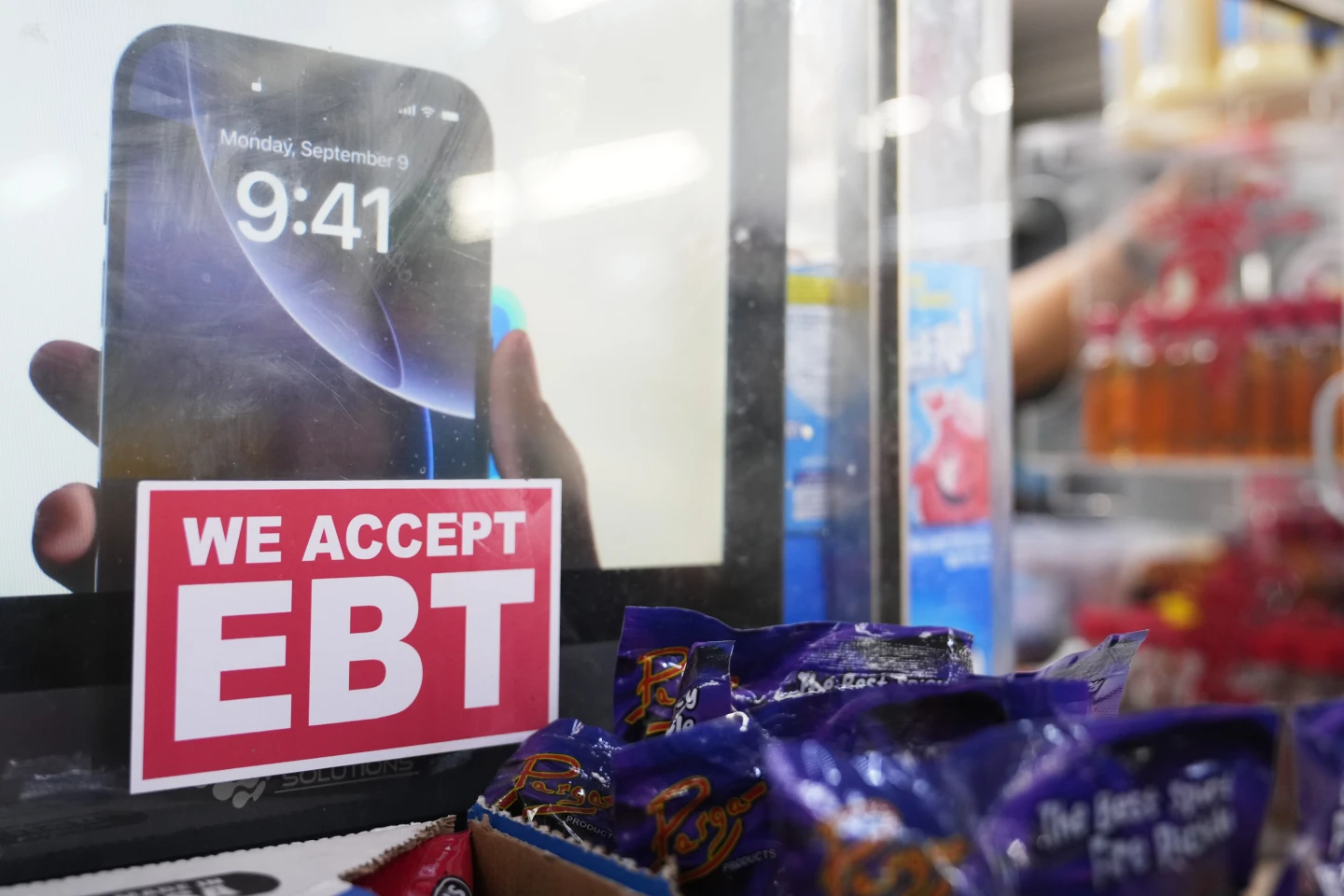
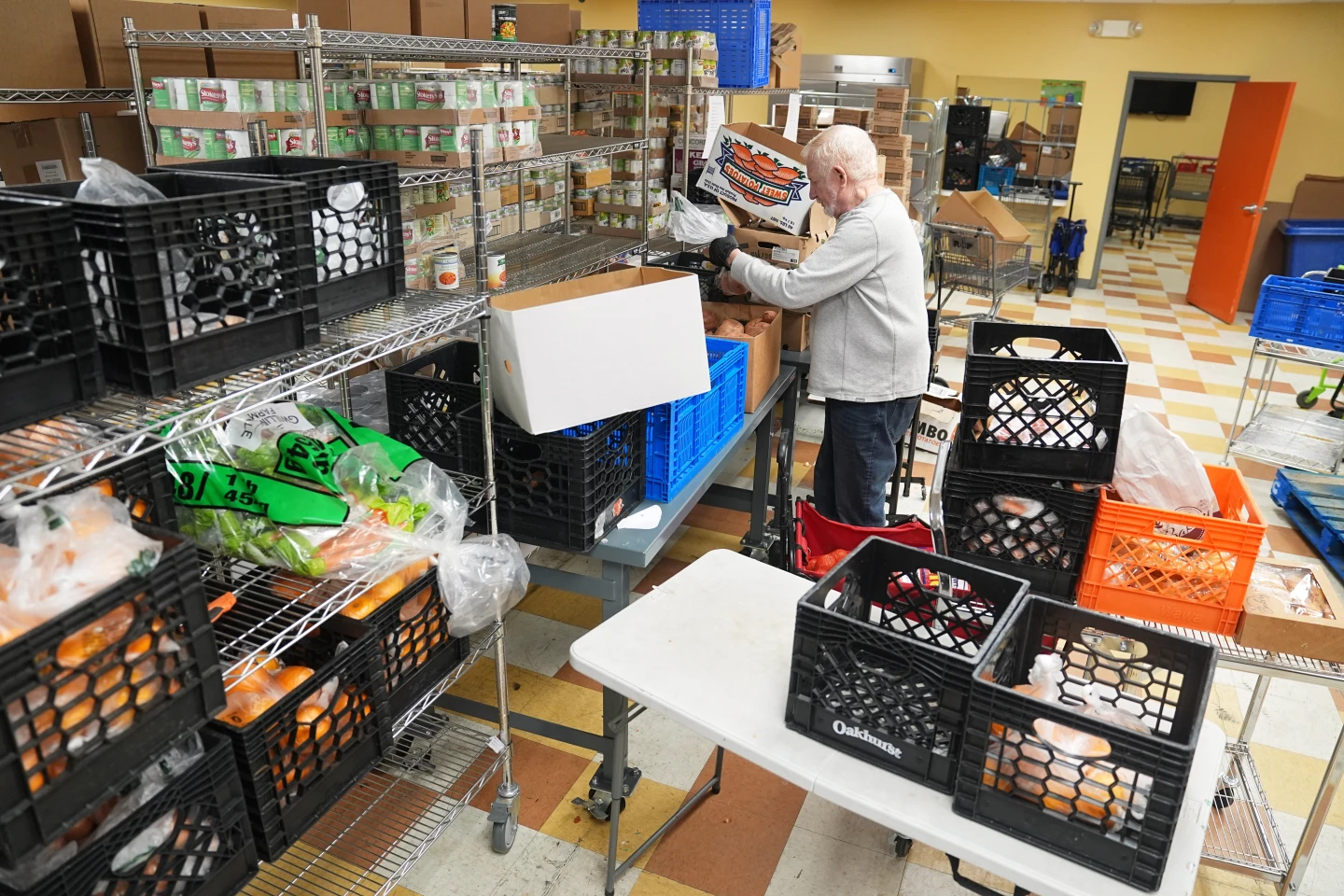
While Medicare and Medicaid will persist, staffing shortages may interrupt services. The National Flood Insurance Program will be temporarily suspended, whereas food assistance programs are at risk of running out of funds if the shutdown prolongs.