
In brief
Satellite images reveal that Israel is developing sites in Gaza designated for aid distribution, amidst claims of ongoing food and medicine blockades. As tensions rise, experts express concerns about the implications for the already vulnerable population of 2.1 million.
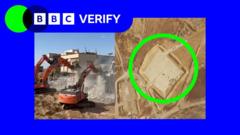
Israel is moving forward with plans to create distribution centers for humanitarian aid in Gaza, using satellite imagery to document site developments, despite international condemnation. Following the suspension of food and medicine deliveries in March, Israeli officials claimed the blockade aimed to compel Hamas to free hostages and accused the group of hoarding aid. Critics, including UN agencies and humanitarian organizations like Oxfam, argue that these centers, set to provide aid to only 1.2 million out of Gaza's population, are inadequate and risk exacerbating the humanitarian crisis. They contend that the military-controlled distribution plan undermines established humanitarian principles and may cut off vital assistance from the most struggling communities.The planned sites were identified through satellite images, revealing significant constructions, such as new roads and staging areas located predominantly in southern Gaza. Specific locations appear to closely resemble existing distribution sites while being situated near Israeli military bases, suggesting a level of oversight and control over aid operations. Various humanitarian organizations have expressed alarm, with Oxfam denouncing the plan as a pretext for utilizing starvation as a tactical weapon. As humanitarian needs intensify, the UN and humanitarian leaders are calling for a reassessment of the blockade, criticizing the militarization of aid distribution and advocating for unimpeded access to vital resources for the entire population of Gaza.
