In brief
Local solutions provide hope against flooding, as residents and organizations team up to create sustainable landscapes to absorb excess rainwater.
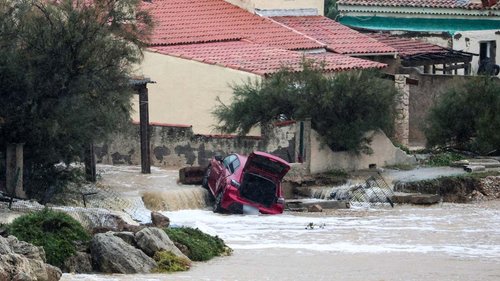
In the heart of New Orleans, residents have long felt at the mercy of heavy rainstorms that flood streets and homes, leading to frustration and powerlessness. However, a wave of positivity is brewing as community members explore simple yet effective methods to combat these issues. Angela Chalk, a local leader in public health and sustainability, recalls her skepticism when first hearing about the potential of green initiatives like rain gardens and bioswales, which are designed to capture and absorb excess rainwater.Jeff Supak, from the nonprofit Water Wise Gulf South, has been a driving force in demonstrating that these eco-friendly practices can make a tangible difference. He encourages locals to move beyond despair and actively engage in these green initiatives, turning skepticism into action. The initiative is part of a broader series dubbed "50 States, 50 Fixes," focused on localized solutions to environmental challenges across the United States.After Hurricane Katrina's devastation back in 2005, the city has seen various promises of improvement, leading to wariness among residents about yet another potential solution. However, with the tangible successes of small-scale environmental efforts beginning to surface, many are finding hope. The push for rain gardens and vegetated ditches not only aims to alleviate flooding but also promotes healthier urban ecosystems, improving overall community resilience.Residents are coming together to learn, implement, and advocate for green solutions in their neighborhoods, signaling a proactive shift from mere acceptance of flooding to combating it with innovation. As New Orleans grapples with its water management challenges, these grassroots initiatives highlight the potential for community empowerment and environmental restoration.