
In brief
The United States has once again exercised its veto power at the UN Security Council, blocking a resolution aimed at establishing an immediate ceasefire in Gaza, as the humanitarian crisis deepens.
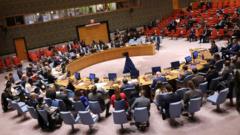
In a significant move on the global stage, the United States has vetoed a draft resolution at the United Nations Security Council (UNSC) that sought to impose an immediate ceasefire in Gaza. This marks the fourth instance where the US has utilized its veto power amid the ongoing conflict, aimed at protecting its ally, Israel. The resolution received overwhelming support, with 14 out of 15 member nations standing in favor, articulating a call for the immediate, unconditional cessation of hostilities and demanding the release of remaining hostages.Deputy US Ambassador to the UN, Robert Wood, criticized the resolution, claiming it disregarded the need to link the ceasefire with the hostages’ release. He asserted that the proposed document could convey a "dangerous message" to Hamas, which has been in conflict with Israel. The draft, jointly supported by various member states, had also condemned any efforts to starve Palestinian civilians, addressing the often-overlooked humanitarian crisis unfolding in northern Gaza.As the conflict wears on, the situation in Gaza has deteriorated, with a recent UN report indicating that conditions for survival are rapidly declining, especially in besieged areas. Alarmingly, this follows a UN-backed assessment predicting an imminent famine. The Israeli military, which has escalated its six-week offensive, claims its operations are focused on neutralizing Hamas fighters while ensuring civilian evacuations and medical supplies reach hospitals.In the wake of the US veto, widespread condemnation erupted. China’s ambassador noted the tragic implications of the veto, questioning the value assigned to Palestinian lives. France criticized the breach of international humanitarian law, urging that a ceasefire should have been unequivocally prioritized. The UK expressed its desire to halt the violence and alleviate the suffering of the Gazan population while calling for the unconditional release of hostages held by Hamas.Criticism of Washington’s decision extended beyond the Security Council, with organizations like Human Rights Watch accusing the US of enabling Israel to avoid accountability amidst allegations of crimes against Palestinians. Israel categorically denies these allegations and maintains that its military response is justified following significant attacks by Hamas, which resulted in the deaths of approximately 1,200 Israelis and the abduction of 253 individuals.As the international community grapples with the implications of the ongoing violence, the humanitarian crisis in Gaza continues to escalate. The question of humanitarian aid and intervention remains imperative as loss of life in Gaza continues to rise, with over 43,920 reported casualties since the start of hostilities. The need for immediate international action grows increasingly urgent in the face of deepening despair in the region.
