In brief
From remote control centers to self-driving vehicles, Rio Tinto’s Greater Nammuldi mine is a beacon of automation in the mining industry. While boosting productivity and safety, the shift raises complex questions about the future of jobs in this high-tech frontier.
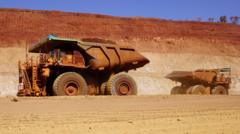
At Rio Tinto’s Greater Nammuldi iron ore mine in Western Australia, around 50 formidable driverless trucks, each capable of hauling a staggering 300 tonnes, are reshaping the mining landscape. Situated approximately two hours north of Perth in the remote Pilbara region, this expansive open-pit mine teems with advanced automation technology designed to enhance efficiency while prioritizing safety.During a recent visit, I witnessed firsthand the massive scale and astonishing capabilities of these autonomous machines, which seamlessly navigate the rugged terrain without a human driver at the wheel. A tour in an ordinary company vehicle highlighted their impressive maneuverability, as they deftly traversed the mine’s red earth roads.As guided by Dwane Pallentine, a production superintendent, the visit underscored the integration of high-accuracy GPS systems that allow human-driven vehicles to coexist with the autonomous fleet. Before entering the mine's autonomous zone, our vehicle was verified through a control system, establishing a virtual bubble that enabled the self-driving trucks to avoid collisions through meticulous route management.The Greater Nammuldi site also deploys additional autonomous machinery, including a water cart named "Henry," designed to spray roads and suppress dust. To ensure safety, these trucks are equipped with advanced sensors that detect potential obstacles, halting operation to prevent mishaps. Despite some hiccups with bumps and rough patches causing temporary pauses, the system boosts productivity while reducing risks associated with human fatigue.Rio Tinto's Operations Centre, located around 1,500 kilometers away in Perth, oversees the automation process across multiple mine sites. With over 360 autonomous trucks currently operating, Australia leads the world in mining automation, and Rio Tinto's scale sets a significant global example. The introduction of autonomous trucks began in the late 2000s, with the number of self-driving vehicles surging dramatically worldwide in recent years.Safety is the driving force behind this transition. According to Matthew Holcz, managing director of the Pilbara mines, automation has created a safer industry despite the inherent dangers of mining. With enhanced productivity, autonomous trucks reduce operational downtime linked to human shifts and breaks, showing a 15% increase in efficiency.While significant investments—estimated in the billions—are being funneled into this technology, the narrative surrounding job loss has evolved. Instead of redundancies, upskilling has emerged as a primary focus, with some workers transitioning into roles as controllers in the Operations Centre. For example, ex-manual driller Jess Cowie now directs automated drills from a central location, reaping the benefits of less physical strain and improved work-life balance.However, experts emphasize that the automation landscape is not without challenges. Professor Robin Burgess-Limerick highlights the need for better interface designs for operators, while discussions around controller workload and over-reliance on automation persist. Likewise, incidents linked to autonomous vehicles provoke caution, as illustrated by a recent collision involving an autonomous train in the region.As Rio Tinto presses on with plans for more automated vehicles and innovations, the balance between human employment and machine efficiency remains paramount. While current strategies have mitigated immediate job losses, industry observers hint that future developments in automation may inevitably reshape the workforce.Amidst the complexities of technological advancements, an unexpected flight cancellation on my return journey underscored the unpredictable nature of human systems—a stark contrast to the precision of machines. In an era rapidly defined by automation, understanding the interplay between human work and technology is essential as we forge ahead into this new mining frontier.