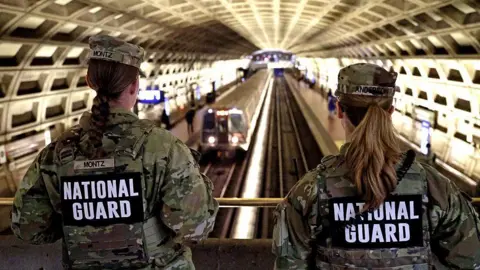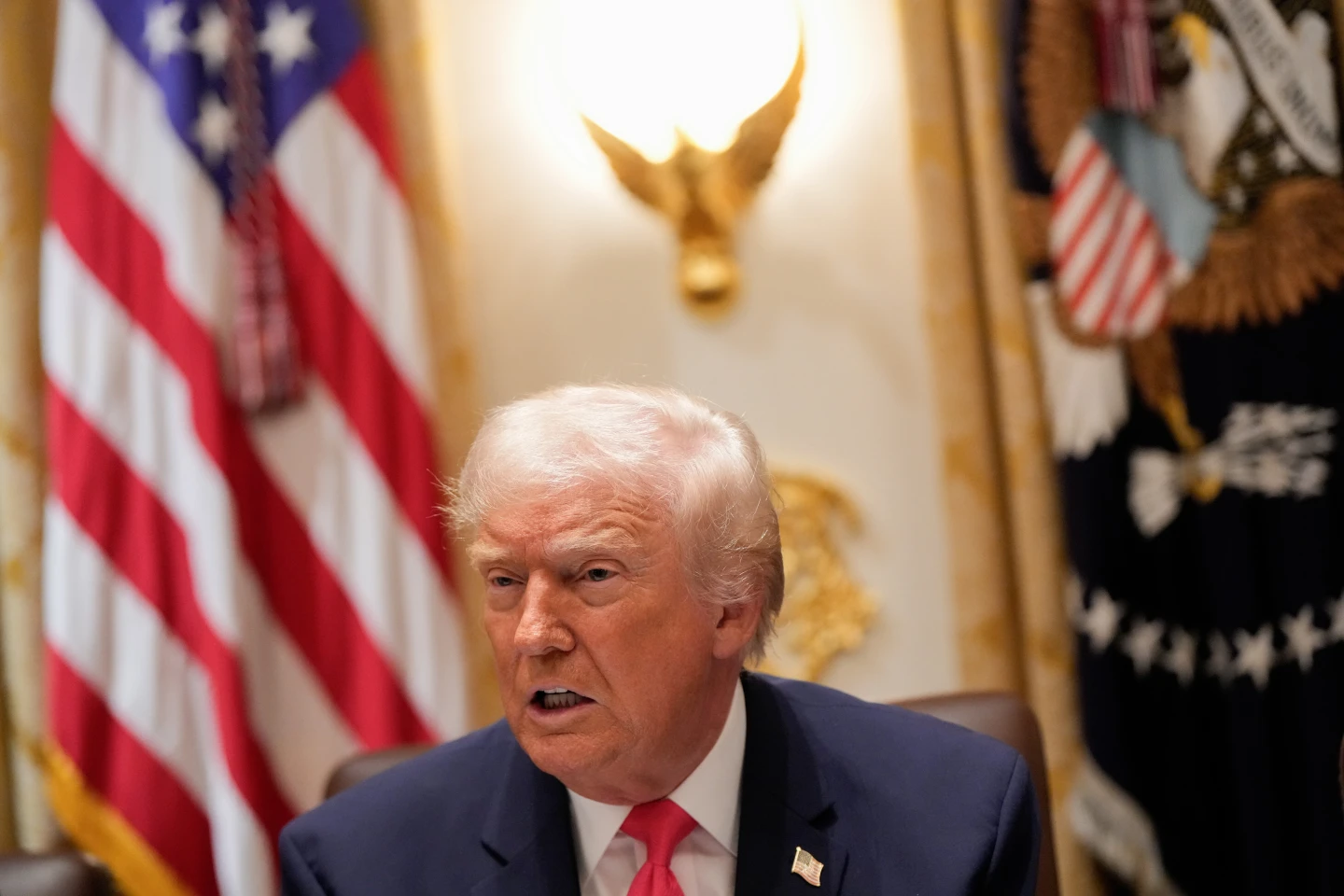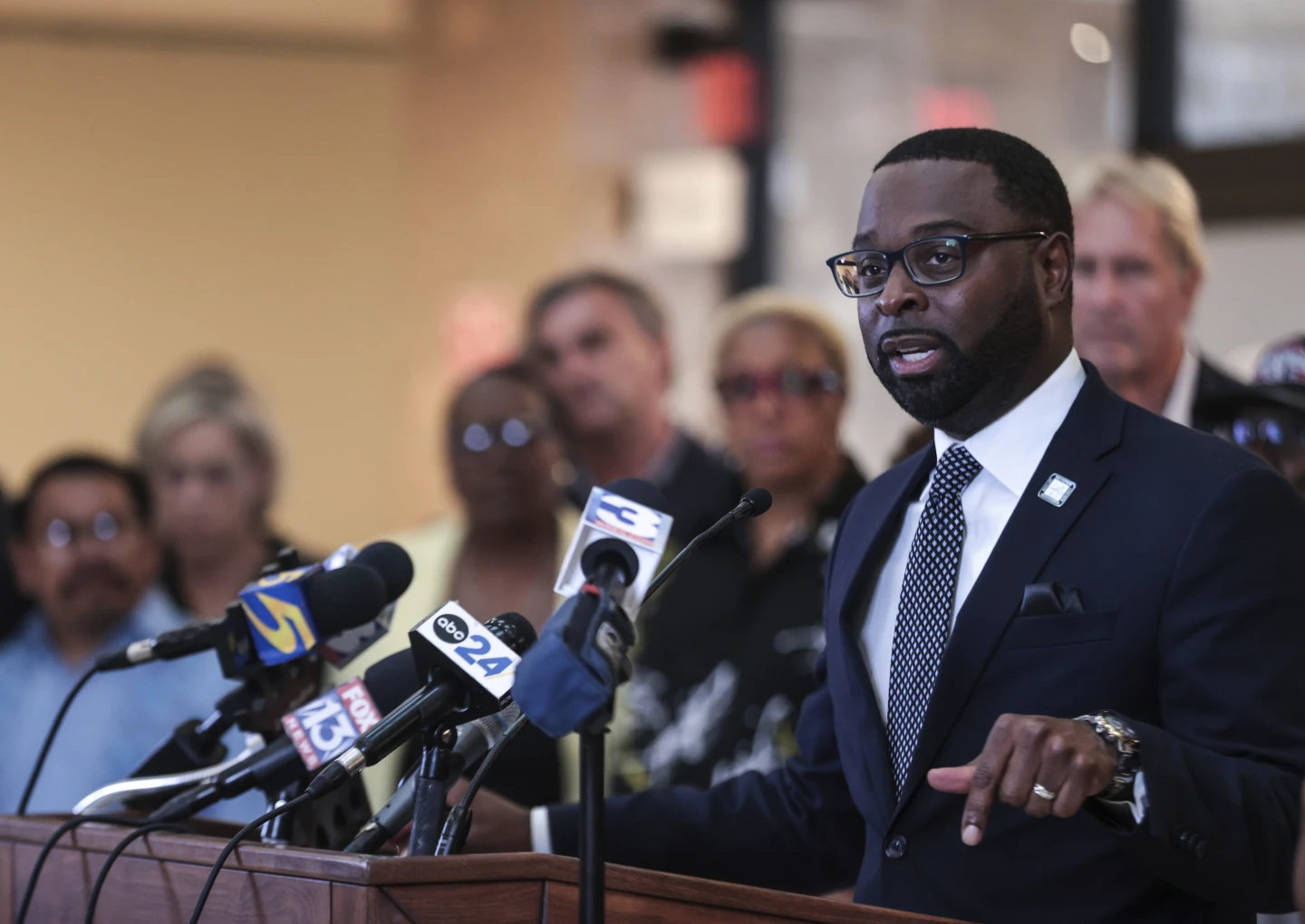
NASHVILLE, Tenn. (AP) — Memphis’ mayor disclosed that President Donald Trump’s televised announcement on Friday represented the first official confirmation regarding the deployment of the National Guard to Memphis for an anti-crime mission.
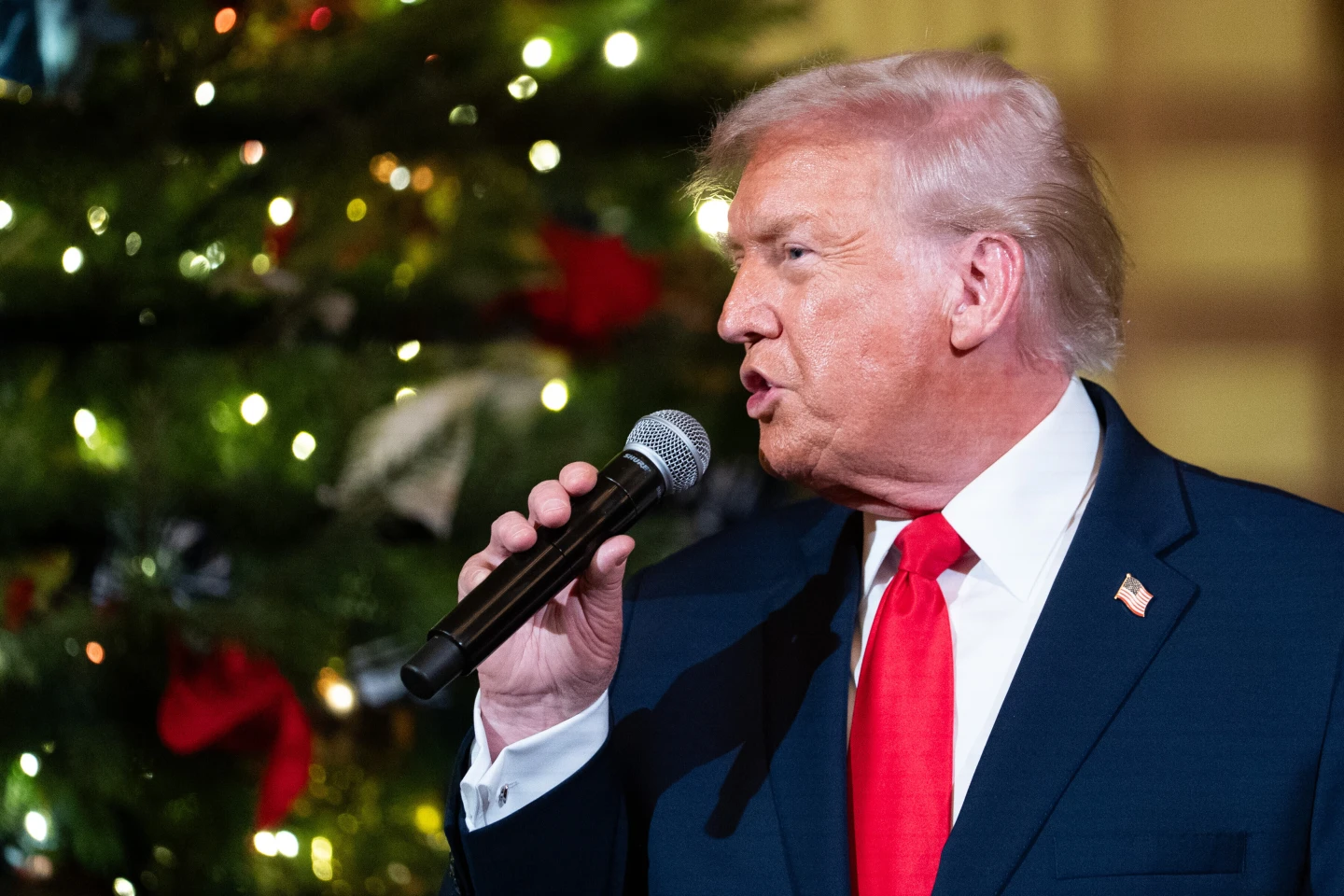
During an interview with CNN, Mayor Paul Young stated he had been made aware earlier in the week by Republican Governor Bill Lee’s office that discussions were underway about bolstering law enforcement presence. However, it was only on Friday that Young received clear confirmation when Trump acknowledged Memphis's issues on Fox News, describing the city as 'deeply troubled' and asserting, 'we’re going to fix that just like we did in Washington.'
When asked if he had received any prior confirmation, Young clarified, 'No, that was the confirmation.' This announcement comes in the wake of Memphis police reporting a decline in all major crime categories this year, achieving a 25-year low in overall crime and a six-year low in homicides.
Despite the encouraging statistics, Memphis has long struggled with persistent gun violence, with a record 390 homicides recorded in 2023.
Details surrounding the National Guard's deployment remain uncertain, with conversations still transpiring between Governor Lee and Trump regarding its specifics and timeline. Young hopes to learn more soon, suggesting the Guard could assist with event security, traffic control, and community beautification efforts.
However, Mayor Young expressed his reservations regarding the deployment, countering Trump’s claim that he is 'happy' about it. Stressing that he didn’t request this action, Young cast doubt on its potential to effectively reduce crime. 'We don’t want to invoke those same images here,' he remarked, alluding to historical deployments following significant incidents.
The mayor stressed the importance of community engagement in determining how the National Guard operates in Memphis, voicing concerns for local fears stemming from such deployments.
As discussions continue, Young and city officials plan to work closely with state and federal representatives to ensure that actions taken address the root causes of crime rather than simply act as a temporary measure.