In brief
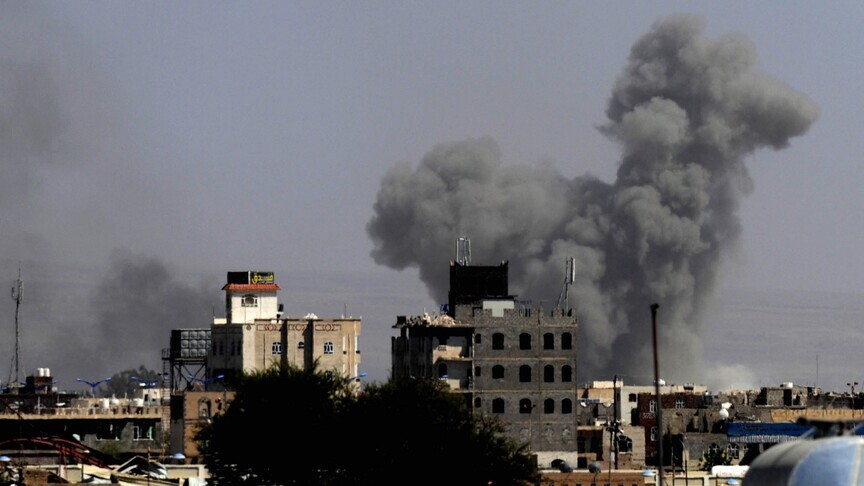
In a dramatic escalation of Sudan’s civil war, which is approaching its third year, military forces have intensified their operations in Khartoum, drawing closer to the presidential palace. The Sudanese army is reportedly stationed roughly 500 yards away from a compound controlled by their paramilitary adversaries, the Rapid Support Forces (R.S.F.). This military push represents a critical moment in the war, marked by heavy gunfire and explosions echoing throughout the battered capital.
Recent footage highlights the aggressive tactics of the Sudanese armed forces, showcasing a significant ambush launched early Thursday against an R.S.F. convoy near the palace, suggesting that the army is determined to reclaim territory lost early in the conflict. Capturing the presidential palace would not only serve as a symbolic victory for the Sudanese army but also potentially bolster their efforts to drive the R.S.F. from the city altogether.The leader of the R.S.F., Lt. Gen. Mohamed Hamdan, has publicly declared a firm stance against retreat, asserting in a video address the resolute determination of his forces to defend their position at the palace. This ongoing battle is exacerbating the humanitarian crisis affecting civilians trapped within this war-torn environment, drawing international concern as the conflict continues to unfold.As the situation remains fluid, analysts are closely monitoring the developments in Khartoum, noting that any shift in control could have far-reaching implications for Sudan's future political landscape and for its beleaguered citizens. With the sound of gunfire and explosions marking the atmosphere, the prospect of a negotiated peace agreement seems increasingly distant. The events in Khartoum not only draw attention to the human cost of this civil war but also signal a pivotal moment that could influence the course of future engagements in Sudan's troubled history.