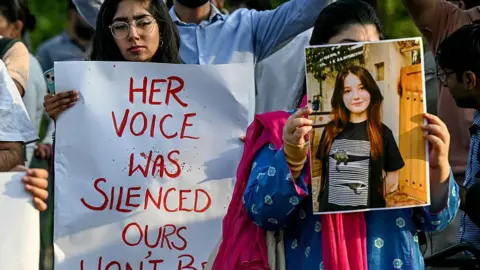
In a high-profile case that drew national attention, Jacktone Odhiambo was found guilty of killing Edwin Kiprotich Kipruto, widely known as Edwin Chiloba, in January 2023. The incident, described by Judge Reuben Nyakundi as occurring in a "diabolical manner," has become a significant rallying point for conversations around LGBTQ+ rights in Kenya.
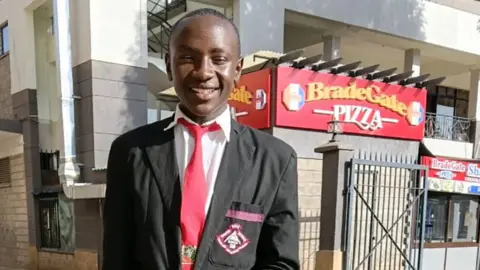
Chiloba, a 25-year-old fashion designer and active voice for LGBTQ+ rights, was discovered smothered to death, with his remains concealed in a metal box along a roadside in Eldoret. The shocking nature of his murder sent shockwaves through the local and international LGBTQ+ communities and prompted widespread condemnation.
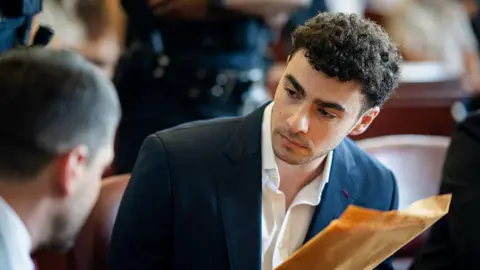
During the sentencing, Judge Nyakundi remarked that Odhiambo, 25, displayed no remorse for his actions. Yet, after the verdict was pronounced, he created a scene in the courtroom, collapsing and crying, indicating a complex mix of emotions.
The judge emphasized that the evidence presented suggested a revengeful motive behind the murder. Odhiambo and Chiloba were reportedly housemates living close to the University of Eldoret, where Chiloba was a student. There were also allegations of a romantic relationship between the two, raising questions about the dynamics that may have contributed to the tragic end.
The prosecution, represented by Mark Mugun, disclosed that Odhiambo had used the money of the deceased following the crime. Testimonies from 23 witnesses, including DNA evidence placing Odhiambo at the crime scene, were pivotal in the court's decision. The disturbing details of Chiloba's demise included being found with socks stuffed in his mouth, with a piece of denim tied around his face, and the post-mortem examination confirmed death by asphyxiation due to smothering.
Furthermore, allegations surfaced that Odhiambo had sexually assaulted Chiloba before the murder. While speculations suggested the possibility of this being an intimate partner homicide, the court did not specifically address the underlying motives behind the crime.
The case has raised critical discussions about the status of LGBTQ+ rights in Kenya, a country where homosexuality remains illegal and where individuals often face discrimination and violence.
As the trial concluded, advocates and allies of the LGBTQ+ community in Kenya continue to reflect on the implications of this tragic murder, advocating for greater protections and rights within a challenging socio-political climate.
Chiloba, a 25-year-old fashion designer and active voice for LGBTQ+ rights, was discovered smothered to death, with his remains concealed in a metal box along a roadside in Eldoret. The shocking nature of his murder sent shockwaves through the local and international LGBTQ+ communities and prompted widespread condemnation.
During the sentencing, Judge Nyakundi remarked that Odhiambo, 25, displayed no remorse for his actions. Yet, after the verdict was pronounced, he created a scene in the courtroom, collapsing and crying, indicating a complex mix of emotions.
The judge emphasized that the evidence presented suggested a revengeful motive behind the murder. Odhiambo and Chiloba were reportedly housemates living close to the University of Eldoret, where Chiloba was a student. There were also allegations of a romantic relationship between the two, raising questions about the dynamics that may have contributed to the tragic end.
The prosecution, represented by Mark Mugun, disclosed that Odhiambo had used the money of the deceased following the crime. Testimonies from 23 witnesses, including DNA evidence placing Odhiambo at the crime scene, were pivotal in the court's decision. The disturbing details of Chiloba's demise included being found with socks stuffed in his mouth, with a piece of denim tied around his face, and the post-mortem examination confirmed death by asphyxiation due to smothering.
Furthermore, allegations surfaced that Odhiambo had sexually assaulted Chiloba before the murder. While speculations suggested the possibility of this being an intimate partner homicide, the court did not specifically address the underlying motives behind the crime.
The case has raised critical discussions about the status of LGBTQ+ rights in Kenya, a country where homosexuality remains illegal and where individuals often face discrimination and violence.
As the trial concluded, advocates and allies of the LGBTQ+ community in Kenya continue to reflect on the implications of this tragic murder, advocating for greater protections and rights within a challenging socio-political climate.