In brief
An estimated 4,000 illegal gold miners in South Africa are enduring dire conditions underground as authorities cut off food and water supplies to apprehend them. The government's tough approach raises questions about human rights amid ongoing debates on illegal mining's impact on the economy.
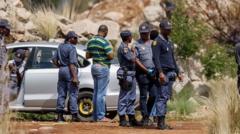
The South African government has implemented a drastic strategy to confront illegal mining, as around 4,000 gold miners remain trapped underground in Stilfontein, North West Province. Authorities have cut off food and water supplies in a tactical move aimed at forcing these miners, many of whom are undocumented migrants, to surface for arrest. For about a month, these miners, often referred to as "zama zamas"—meaning "those who take a chance" in Zulu—have been operating within unsafe, abandoned mines as a means of escaping poverty. The illegal mining industry is a significant financial burden on the South African economy, costing the government hundreds of millions in lost revenue annually. The stark realities of unemployment in the mining sector have compelled countless individuals from neighboring countries like Lesotho and Mozambique to engage in this perilous underground quest for gold, which they sell in the black market for survival. Despite community appeals for humanitarian assistance, Minister in the Presidency Khumbudzo Ntshavheni remains adamant about bringing the miners above ground. The authorities have instigated Operation Vala Umgodi, known as "Close the Hole," to mitigate illegal mining. Authorities have been hesitant to enter the mines due to potential armed confrontations with the miners, many of whom now face severe struggles below.Busi Thabane from Benchmarks Foundation highlights the harrowing conditions underground, stating it has transformed into a humanitarian crisis. Disturbingly, local residents report of the stench of decomposing bodies emerging from the depths of the mine, showcasing the dire situations faced by those trapped below.Efforts to communicate with miners using notes tied to ropes have been made, while police and military units strategically monitor exits. Recent reports confirm that out of the thousands underground, around 1,000 miners have surfaced, with many immediately taken into custody due to their fragile health.The response from local communities has been mixed. While some express support for the government's strong stance, others decry the inhumane treatment of those trapped. The South African Human Rights Commission is now investigating the implications of the government's tactics on the miners' right to life and humanitarian conditions.As authorities continue their crackdown, illegal mining remains a prominent challenge in South Africa's mining towns, further emphasizing the need for a balanced approach that addresses the severe economic and social issues driving individuals underground. Recent police operations have resulted in the confiscation of high-caliber firearms, thousands of bullets, uncut diamonds, and significant sums of cash, underscoring the link between illegal mining and organized crime in the region.