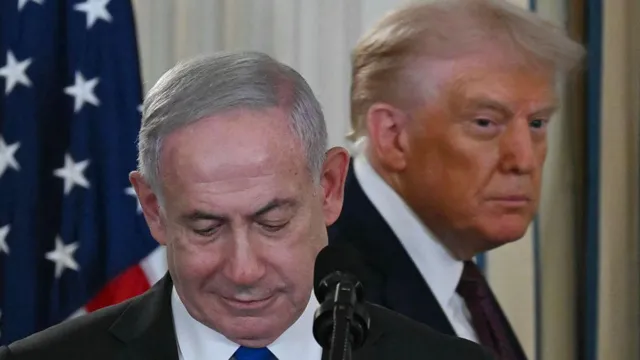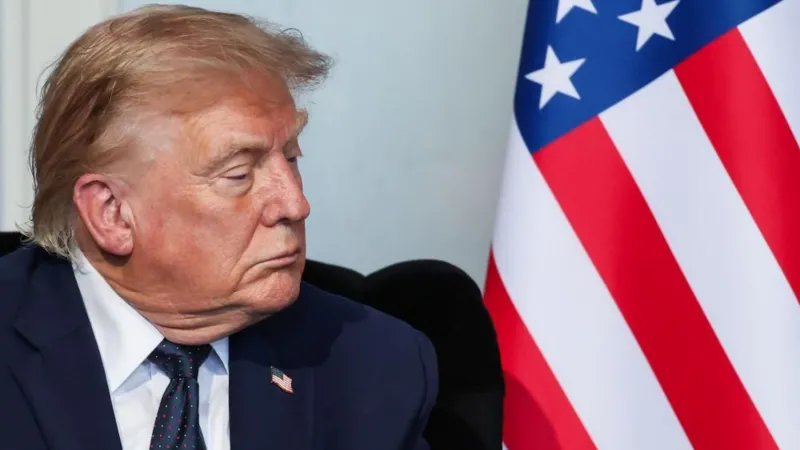
In a remarkable display of skill and national pride, Canada's ice hockey team triumphed over the USA with a close 3-2 overtime victory in the 4 Nations Face Off final held in Boston. The win not only thrilled fans but also prompted Canadian Prime Minister Justin Trudeau to take a playful jab at President Donald Trump, who has ominously suggested that Canada could become the 51st state. “You can't take our country - and you can't take our game,” Trudeau posted on X, a sentiment that resonated deeply given the current political climate.
Tensions between the two neighboring countries were palpable, with trade disputes looming and President Trump making unfounded claims about Canada's future. In the past weeks, Canadian sports fans had frequently booed the American national anthem, but this time it was the American crowd who orchestrated the jeering. The Canadian anthem, however, was performed with altered lyrics in protest over Trump's remarks, showcasing a clear expression of national outrage. Canadian singer Chantal Kreviazuk, who sang the anthem, intentionally changed the words, stating, “We should express our outrage in the face of any abuses of power."
While the hockey match would typically be a symbol of friendly competition, the recent years have added an electric tension to their encounters. The nail-biting finale was crowned with Connor McDavid’s sudden-death goal, sending Canadian fans into a frenzy. Although Trump didn’t attend the game, he expressed his wishes for the team’s success over a phone call. Meanwhile, he continues to dream of Canada’s potential statehood, which stirred further discontent among Canadians, especially after he posted his thoughts on “Truth Social” ahead of the match.
The clash between Canada and the US has always been a significant event in the world of ice hockey, drawing attention particularly from the NHL's biggest stars—Canadians like McDavid and Mitch Marner face off against Americans such as Auston Matthews and Jack Eichel. Hockey holds a cherished place in Canada's national psyche, serving as a unifier and a reflection of its national identity. With this victory, Canadians not only relished in sportsmanship but also took a stand in their current political struggles, reminiscent of past patriotic moments in their sports history.
As this rivalry continues to unfold on and off the ice, Canadian fans are left proud and emboldened, reinforcing the sentiment that, despite any external pressures, they will fiercely protect their identity and sovereignty through their beloved game.
Tensions between the two neighboring countries were palpable, with trade disputes looming and President Trump making unfounded claims about Canada's future. In the past weeks, Canadian sports fans had frequently booed the American national anthem, but this time it was the American crowd who orchestrated the jeering. The Canadian anthem, however, was performed with altered lyrics in protest over Trump's remarks, showcasing a clear expression of national outrage. Canadian singer Chantal Kreviazuk, who sang the anthem, intentionally changed the words, stating, “We should express our outrage in the face of any abuses of power."
While the hockey match would typically be a symbol of friendly competition, the recent years have added an electric tension to their encounters. The nail-biting finale was crowned with Connor McDavid’s sudden-death goal, sending Canadian fans into a frenzy. Although Trump didn’t attend the game, he expressed his wishes for the team’s success over a phone call. Meanwhile, he continues to dream of Canada’s potential statehood, which stirred further discontent among Canadians, especially after he posted his thoughts on “Truth Social” ahead of the match.
The clash between Canada and the US has always been a significant event in the world of ice hockey, drawing attention particularly from the NHL's biggest stars—Canadians like McDavid and Mitch Marner face off against Americans such as Auston Matthews and Jack Eichel. Hockey holds a cherished place in Canada's national psyche, serving as a unifier and a reflection of its national identity. With this victory, Canadians not only relished in sportsmanship but also took a stand in their current political struggles, reminiscent of past patriotic moments in their sports history.
As this rivalry continues to unfold on and off the ice, Canadian fans are left proud and emboldened, reinforcing the sentiment that, despite any external pressures, they will fiercely protect their identity and sovereignty through their beloved game.