
In brief
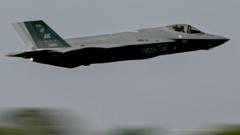
The Indian air force finds itself at a crossroads as it contemplates potential acquisitions that could shape its future capabilities, given the backdrop of escalating regional tensions and an aging fleet. Following his recent discussions with US President Donald Trump during a visit to Washington, Prime Minister Narendra Modi is considering the implications of the F-35 fighter jet, a state-of-the-art aircraft touted for its advanced technology and sophisticated features. However, the steep price tag and operational challenges pose significant hurdles.
India's current fighter aircraft inventory is dwindling, operating far below its sanctioned capacity as it grapples with a pressing need to enhance aerial strength amidst the modern military landscape shaped by adversaries like China. With India's air force relying primarily on Russian and Soviet-era aircraft, the choice between the expensive American F-35 and an enhanced Russian partnership for the Sukhoi Su-57 presents complex strategic considerations. Analysts argue that while the American offer may appear more symbolic, particularly regarding defense sales, the feasibility of integrating such a cutting-edge aircraft into Indian operations raises serious questions.Moreover, India’s robust domestic defense ambitions—highlighted by ongoing projects such as the Advanced Medium Combat Aircraft (AMCA) and the homegrown Tejas—intensify the urgency to strike a balance between immediate needs and long-term goals. As procurement delays and fiscal challenges complicate this decision-making process, stakeholders recognize the necessity for a coherent strategy that aligns India’s evolving military requirements with the rapid pace of technological advancements in aviation.Amidst growing military developments in the region, experts advocate for a balanced approach focusing on indigenous production while potentially supplementing capabilities through foreign collaborations. As India navigates this critical juncture, the priority remains clear: fortifying the nation's airpower through timely and strategic acquisitions while bolstering self-reliance in defense manufacturing.With large investments in developing advanced jet capabilities and a commitment to strengthen domestic production, India's trajectory in military aviation may ultimately pivot towards self-sufficiency, aiming to harness high-tech partnerships that underscore an evolving vision for its air force. As the strategic landscape changes, India's choices will resonate far beyond its borders, shaping not just national security but also the dynamics of international military partnerships.
