
In brief
With a rapid transformation of federal agencies, experts warn of potential clashes between Musk's corporate mentality and traditional government operations.
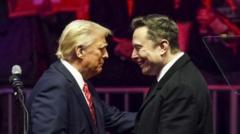
After much speculation about Elon Musk's role in Donald Trump's White House, the tech mogul recently took to X to humorously self-designate himself as simply "Tech Support." However, this title belies the significant and extensive influence he seems to wield, particularly as head of the newly formed Department of Government Efficiency (Doge). In a whirlwind two weeks, Musk has initiated sweeping reforms, including attempts to commandeer the federal payment system and effectively terminate an entire agency, offering civil servants the stark choice to resign or face termination.While Musk has cultivated a strong rapport with Trump, observers are apprehensive about the possibility of a power clash between the two. Historically a Democratic voter, Musk shifted his allegiance following dissatisfaction with Biden's policies. After initially endorsing Florida Governor Ron DeSantis, Musk became one of Trump's most significant supporters, channeling substantial contributions to Trump and his fellow Republican candidates and becoming a key advisor to the president during the campaign.Since Trump's reelection, Musk has become a formidable figure in Washington. His immediate appointment to head the Doge marks a major pivot in Musk's career, as he embarks on a mission of rapid federal reform—implementing strategies reminiscent of his corporate leadership style. Despite Trump denying Musk an office in the West Wing, reports indicate that Musk's team has occupied the federal personnel office adjacent to the White House, and he has acquired top-secret security clearance granting him access to sensitive information.Musk's aggressive approach has reportedly surprised many within the federal government. His former Tesla employees indicate that Musk prioritizes objectives over interpersonal relationships, which can yield results but may clash with the nuances of public service. The drive for high performance has been central to Musk's success in business, yet it could lead to disarray in governmental processes.Perhaps most notable is Musk’s impact on the United States Agency for International Development (USAID). Once a robust entity involved in worldwide aid distribution, USAID has effectively halted operations under Musk's scrutinizing gaze, as he recently dubbed the agency a "criminal organization" on X. The trajectory took a dramatic turn when the USAID website became inactive and top officials were placed on administrative leave following disputes with Musk's team.Concerns have arisen regarding the legality of Musk's maneuvers, especially in terms of potentially illegal actions to dissolve or restructure USAID. Yet, with supportive bipartisan sentiments emerging in Congress, there is potential for some of Musk's proposed changes to take root.The unprecedented nature of Musk's influence within the White House has caught many By surprise—especially as he now occupies a space where few private citizens have had such authority. Critics suggest that relinquishing these reins of governmental control to a private citizen is uncharted territory. Despite the hope expressed by some of Musk’s peers regarding innovative governance, many in Silicon Valley express apprehension about the ongoing upheaval in Washington.Dr. Philip Low, a neuroscientist and former associate of Musk, warns of potential chaos in government structures through Musk's aggressive approach. He believes Musk seeks greater authority than merely serving as a deputy—a sentiment echoed by former colleagues who assert that Musk seldom takes "no" for an answer.However, Trump retains the final say, stating that while Musk plays a crucial role, checks on his influence exist. Trump remains optimistic about Musk's contributions, acknowledging that disagreements may arise but asserting that any actions Musk takes will always seek White House approval. The tumultuous integration of Musk into the Trump administration raises crucial questions about the future of American governance and whether this partnership will invite breakthroughs or create rifts.

