
In brief
As Syrians flock to Mustahed Hospital, they painfully reckon with the missing, searching for closure after decades of turmoil. Amid haunting images of unidentified bodies, the scars of Assad’s oppressive rule persist, igniting a collective yearning for justice and healing in a post-regime landscape.
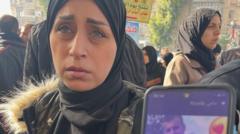
At Mustahed Hospital in Damascus, a poignant scene unfolds as families gather, not to celebrate, but to seek closure for their missing loved ones in a nation scarred by five decades of Assad's tyranny. The walls outside the hospital are adorned with photographs of the deceased, each face a harrowing reminder of the pain and suffering endured. A steady stream of relatives examines the grim images, hoping to find a semblance of recognition among the twisted features of men who met grim fates as prisoners of the regime.Inside the hospital, a somber assembly takes place. Families navigate their sorrow in a crowded mortuary, filled to capacity with the bodies of the lost, some of which have been dead for weeks, their features painfully decomposed. Among the mourners are women like Noor, who clutch memories of their loved ones with desperate hope, despite the passage of time since their disappearance. Noor's brother was taken by authorities in 2012, and like many others, she longs for answers that could bring her peace.For Dr. Raghad Attar, a forensic expert processing the harrowing task of identifying bodies, the emotional toll is overwhelming. As she meticulously documents dental records for potential DNA testing, the reality of Syria's tragic history weighs heavily upon her. "I don’t know if Syria can recover," she confesses, tears streaming down her face, embodying a pain shared by countless families searching for justice.As each family approaches the bodies, stories of loss and anguish rise to the surface—painful accounts of fathers, brothers, and sons snatched away in the night, with families left to grapple with an agonizing uncertainty. The ghosts of the past haunt them, leaving behind a raw desire for both closure and retribution.Amidst this sorrowful backdrop, whispers of an impending reckoning ripple through the streets of Damascus, where communities grapple with the aftermath of Assad's regime. A collective yearning stirs among the populace as they eye potential justice for crimes long laid bare. Crowds surge with pent-up rage, eagerly awaiting the rumored execution of a notorious regime enforcer—the embodiment of a justice they crave.Yet, with the promise of resolution also comes the challenge of ensuring this desire for vengeance does not derail the path to healing. Transitioning from the oppressive chains of dictatorship to the hopes of a freer Syria will be fraught with complexity. How the emerging leadership navigates this treacherous ground could determine not just the nation's future, but the prospect of reconciling a society torn apart by decades of fear and violence.

