In brief
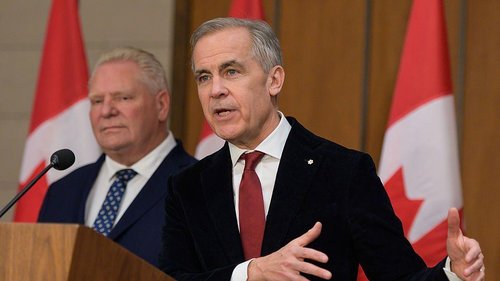
As Prime Minister Justin Trudeau grapples with declining popularity and controversies from his past, his future as a leader is precarious, with mounting pressure to either call elections or step down.
Article Text:Justin Trudeau’s political trajectory offers a remarkable narrative of ambition and decline, marked by initial acclaim and ultimate disenchantment. Elected Prime Minister of Canada in 2015, Trudeau quickly became a global icon known for his progressive stance on issues like feminism, environmentalism, and Indigenous rights. His charismatic persona drew comparisons to influential leaders such as Barack Obama, who embodied change and hope.However, the initial adulation from the media and the electorate was short-lived. By 2017, Trudeau's administration began to face significant controversies, leading to a decline in public sentiment towards his leadership. This downturn was reflected in his party’s performance, with the Liberals managing to secure only minority governments in both the 2019 and 2021 elections, even losing the popular vote. Moreover, the political landscape in Canada has shifted dramatically, with rising discontent among constituents who feel increasingly disconnected from their leaders. Trudeau, once hailed as a beacon of progressive values, is now subjected to mockery and criticism, including ridicule from figures like President-elect Donald Trump and his supporters.As Trudeau contemplates his next steps, he is at a critical juncture. Faced with the possibility of calling elections that are likely to result in defeat, or stepping aside to allow a new leader to guide the Liberal party, he must navigate a complex situation. The once-invincible Prime Minister now confronts a disillusioned electorate and an uncertain future.