In brief
The Agbogbloshie dumpsite in Accra, Ghana, epitomizes the hazardous trade in electronic waste, with workers risking their health to extract valuable materials from discarded electronics. This article explores the grim conditions, the rising global e-waste crisis, and the traffickers exploiting the situation.
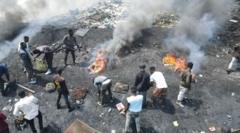
Amidst thick clouds of toxic smoke, workers at the Agbogbloshie dumpsite in Accra, Ghana, toil each day under perilous conditions, revealing the grim reality of the e-waste crisis. Classified as the world's fastest-growing waste stream, e-waste reached an alarming 62 million tonnes in 2022, with developed nations exporting their electronic refuse to poorer countries like Ghana under the guise of "reusable goods."As massive piles of discarded TVs, computers, and cables are set ablaze to extract valuable metals such as copper and gold, the air thickens with poisonous fumes. Workers like Abdulla Yakubu, faced with red, watery eyes and labored breathing, share their plight: "The air is very polluted, and I have to work here every day, so it definitely affects our health." Abiba Alhassan, another worker attending to discarded plastic, highlights the toll on her health, stating, “Sometimes, it’s very difficult to breathe... my chest becomes heavy.”The United Nations reports that only a mere 15% of global e-waste is properly recycled, prompting traffickers to offload their waste in developing nations, often misdeclaring waste as reusable. This trend has escalated, making e-waste the most frequently seized item in global waste trafficking, as noted by the World Customs Organization. In Italy, port officials revealed how traffickers ingeniously mix e-waste with seemingly harmless goods to evade detection.This illicit trade is not simply detrimental to health but is also a burgeoning business for organized crime. New smuggling tactics are being perfected, including the turning off of vessels' tracking signals to avoid interception when illegal shipments are dumped at sea. The aftermath can be catastrophic, as toxic substances infiltrate marine ecosystems, affecting both the environment and local communities reliant on fishing.Despite the dire circumstances, many workers at Agbogbloshie, like Abiba, are forced to persist, investing significant portions of their meager earnings on healthcare to cope with the hazardous working conditions. With the introduction of stricter regulations under the Basel Convention starting January 2025, there is hope for change, yet many countries, including the US, remain unbound by these agreements. As the world grapples with the ongoing e-waste crisis, the fate of workers in Ghana remains precariously balanced between survival and safety. The Ghana Revenue Authority and Environment Ministry did not respond to inquiries regarding the current state of e-waste management in the region.