In brief
Chip Roy, a vocal critic within the GOP, is at the forefront of the fight against a significant spending bill dubbed the “big, beautiful bill,” pushing for decisive changes to prevent increasing federal debt during negotiations with party leaders.
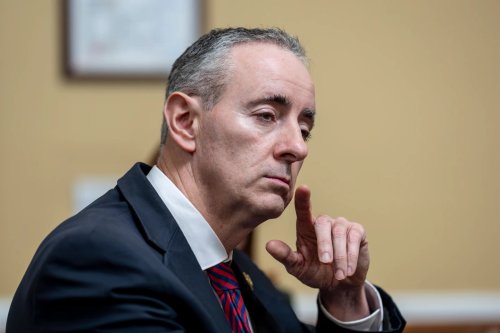
Representative Chip Roy from Texas has emerged as a key figure in opposing President Trump’s endorsement of the GOP's hefty spending bill, which he argues will irresponsibly add to the nation's debt. In a recent negotiation, Roy confronted House Speaker Mike Johnson and the White House, reiterating his stance against what he perceives as fiscally irresponsible policies. This clash isn’t new; back in December, after Trump labeled him an obstructionist for opposing a similar bill, Roy took to the House floor in defiance, emphasizing the need for fiscal accountability. He criticized the conservative agenda that has strayed from its roots of financial prudence, stating, “To take this bill yesterday and congratulate yourself because it’s shorter in pages, but increases the debt by $5 trillion, is asinine.”As he leads a group of hardline conservatives, Roy’s position is precarious. His ability to either stand firm or eventually concede could be pivotal in determining the fate of the proposed legislation. So far, his push for significant amendments reflects a broader concern among some GOP members about increasing federal liabilities and inefficiencies in government spending. In essence, Roy’s challenge highlights a rift within the party as they grapple with how to adhere to fiscal conservatism while also striving for legislative victories in a divided Congress. As this battle unfolds, the outcomes of these negotiations may have lasting implications for the Republican Party’s direction on fiscal policy.