In brief
In his New Year’s Eve address, Chancellor Olaf Scholz criticized foreign influence in German elections and highlighted domestic challenges following governmental collapse and a looming election.
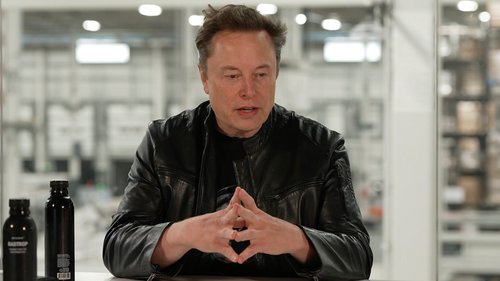
Germany’s political landscape is in turmoil as Chancellor Olaf Scholz prepares the nation for upcoming federal elections in the wake of a governmental collapse. In his recent New Year’s Eve address—potentially his last as chancellor—Scholz emphasized the importance of national unity and the role of the German citizenry in determining the future direction of the country. His remarks were particularly pointed in response to the increasing foreign influence in German politics, referencing billionaire entrepreneur Elon Musk’s vocal support for the far-right Alternative for Germany (AfD) party. This party, noted for its neo-Nazi ties, has been monitored by the German domestic intelligence agency due to concerns regarding extremism. Scholz’s comment, “Where Germany goes from here will be decided by you—the citizens,” was a direct rebuke to any notion that external forces could sway political outcomes.The backdrop to this address is a politically charged environment, following the collapse of Scholz's three-party coalition government in November. The center-left Social Democrat chancellor faced a significant confidence vote earlier this month, resulting in a decision to hold federal elections on February 23. The political climate is further strained as Scholz highlighted the struggles of many citizens amidst rising living costs and stagnant economic growth, calling for solidarity in difficult times.Musk’s recent comments discussing his backing for the AfD have sparked concerns among mainstream politicians, leading to widespread criticism across Germany’s political spectrum. With the February elections approaching, the impact of external actors like Musk raises apprehensions about the integrity of Germany’s democratic processes and the potential for increased polarization. As the nation stands on the brink of a pivotal moment in its political history, Scholz’s address serves as a call to action for citizens to assert their agency in shaping the country’s future.