
In brief
Turkish air raids have devastated water and electricity supplies in Hassakeh, Syria, affecting over a million people who now depend on tanker deliveries amid a humanitarian disaster exacerbated by prolonged drought and conflict.
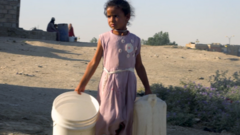
Turkish airstrikes in northern Syria have plunged over a million residents in the Hassakeh province into a severe humanitarian crisis, crippling access to clean water and electricity. Since October 2019, Turkish military actions have targeted crucial energy infrastructure, including oil fields and power stations within the Kurdish-controlled Autonomous Administration of North and East Syria (AANES), aggravating a water scarcity already worsened by years of civil strife and extreme drought.According to data compiled by the BBC World Service, Turkey has executed more than 100 attacks on critical infrastructures between October 2019 and January 2024. These strikes have led to the shutdown of essential services, notably affecting the Alouk water station that supplied the region. With the facility non-operational since October 2023, residents are now dependent on the transportation of water by tankers from over 20 kilometers away.The Turkish government has justified these strikes as actions against Kurdish separatist groups, labeling them as terrorists, but critics and AANES officials argue that such moves are orchestrated to undermine their existence. The humanitarian toll has been intense, as families in Hassakeh struggle to secure sufficient water supplies amidst rising tensions.Residents told the BBC of desperate circumstances as they await water truck deliveries, with some even resorting to confrontation for water allocations. “Water is more precious than gold here,” said Ahmed al-Ahmed, a tanker driver, highlighting the dire situation. Yayha Ahmed, co-director of the city water board, candidly stated that northeast Syria is experiencing a humanitarian catastrophe.The conflict's ramifications have been compounded by a climate-induced drought that has been devastating the region since 2020. Critical water sources, such as the Khabour river, have diminished significantly, leading to the reliance on the now-defunct Alouk water station. Despite international concern, Turkey insists that its military operations target PKK affiliates, stressing that civilian infrastructure has never been a target. However, officials and legal experts have noted that these attacks may constitute violations of international law, with potential claims of war crimes being discussed in legal circles.With the situation worsening and calls for further investigation into Turkey’s military strategy growing louder, the plight of Hassakeh residents continues unresolved. As they face relentless struggles for water and basic necessities, residents express feelings of abandonment and desperation, with many pleading for international attention to their dire circumstances.Turkey maintains that the blame for the humanitarian crisis lies in the area’s climate challenges and long-standing neglect of water infrastructure, but the reality on the ground reveals a different narrative for the beleaguered communities in Hassakeh.
