In brief
A confrontation between President Trump and Ukrainian President Zelensky in the Oval Office may deepen the rift in US-Ukraine relations and create uncertainty among European NATO allies regarding US commitments to collective security.
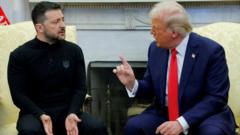
In a dramatic turn of events in the Oval Office, tensions between President Donald Trump and Ukrainian President Volodymyr Zelensky erupted into a shouting match, showcasing a deteriorating relationship that began long before this public clash. Trump's previous derogatory remarks about Zelensky, labeling him a dictator and incorrectly attributing the start of the ongoing conflict to Ukraine, laid the groundwork for rising tensions, now exacerbated by the fallout of their recent meeting.The US-Ukraine alliance, initially bolstered under President Joe Biden, now faces significant strain, bringing into question the US commitment to European security, particularly regarding NATO allies. Speculation mounts over whether Trump would uphold the longstanding principle established by former President Harry Truman in 1949—that an attack on a NATO ally would be considered an attack on the United States itself.Concerns have grown regarding Trump's intention to rekindle ties with Russian President Vladimir Putin, as he appears to be prioritizing concessions for Russia at Ukraine's expense. This shift has left Ukrainians feeling that their national security is at risk, with apprehensions about whether European allies might also find themselves vulnerable.Zelensky's steadfast refusal to make the compromises demanded by Trump has only served to heighten the conflict. The Ukrainian leadership perceives the struggle against Russia as a fight for survival, particularly considering the implications of any concessions that could embolden Putin, who is suspected of disregarding agreements.The explosive meeting reached a pinnacle during a heated interruption by Vice-President JD Vance, raising prospects that the public altercation may have been a calculated political maneuver meant to exert pressure on Zelensky or create a narrative that positions Ukraine as the scapegoat in the ongoing crisis. Should military aid to Ukraine face a postponement as a result, the effectiveness and duration of their continued resistance against Russian aggression remain uncertain.The ripple effects of this unprecedented diplomatic breakdown will undoubtedly reverberate throughout Europe, compelling NATO allies to assume greater responsibility for stability in a region now more precarious than ever.