
In brief
As rural Australians like Dr. Victoria Bradley face burnout and rising healthcare costs, a national crisis threatens the foundations of Medicare, prompting urgent calls for systemic reforms ahead of pivotal elections.
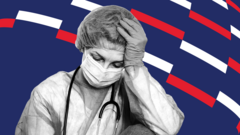
In the picturesque coastal town of Streaky Bay, South Australia, Dr. Victoria Bradley finds herself in a predicament far removed from the idyllic surroundings. As the area's only permanent doctor, she served her community tirelessly, managing the local hospital and GP clinic on an around-the-clock basis—until burnout drove her to quit two years ago. This decision marked a pivotal moment for Streaky Bay's healthcare system, already teetering on the edge of collapse due to insufficient government funding and a chronic shortage of healthcare workers.Dr. Bradley's resignation embodies the broader challenges facing Australia’s once-lauded universal healthcare system, Medicare. Patients have increasingly been left to fend for themselves, with many delaying necessary medical appointments due to skyrocketing costs. Experts argue that the promise of affordable health care, once a cornerstone of Australian society, is deteriorating, particularly in remote regions where resources are scant.As the federal elections on May 3 approach, healthcare has emerged as a defining issue for voters. Both major political parties pledge to pump billions into the system, but critics warn that these represent temporary solutions rather than the sweeping changes the healthcare system truly requires. With approximately 30% of patients now facing out-of-pocket expenses when they visit a GP, the situation has spread discontent among voters.The promise of Medicare was to provide equitable healthcare access for all Australians, reliant on a public insurance scheme funded by taxpayer contributions. Yet, four decades later, the complexities of healthcare funding—shared between state and federal governments—have muddled this vision. The once straightforward approach, where a Medicare card guaranteed free or subsidized care, is now overshadowed by disparity and financial strain. Individuals like Renee Elliott have borne the brunt of this shift. Her experience of battling cancer highlights the significant hurdles rural residents face in accessing necessary specialist treatment often located hundreds of kilometers away. Her story is a testament to the struggles faced by many who must navigate escalating healthcare costs while managing other life challenges.Moreover, innovations like startup Cleanbill have illuminated the extent of the crisis. Their findings reveal that only 20% of GP clinics across Australia will bulk bill new adult patients, an alarming statistic for those in dire need of medical attention.Healthcare professionals and advocacy groups warn that the deteriorating state of primary care, coupled with the lack of specialists and exorbitant private fees, is pushing entire communities into dire straits. Many are now left choosing between essential care and financial stability. Proposals to relieve the despair include funding for more public clinics and increasing Medicare rebates to facilitate bulk billing for a larger number of patients. However, both experts and patients express skepticism regarding the effectiveness of these plans, emphasizing that more comprehensive reforms are essential to avert disaster.As residents like Penny Williams rally to sustain local healthcare, it becomes clear that without a critical reevaluation of how Medicare functions and finances are allocated to cater to the real needs of its users, the concept of universal healthcare may risk extinction. With pressure mounting, the future trajectory of Australia’s healthcare system remains uncertain, and critical choices loom on the horizon as the election draws near.


