
In brief
The ongoing tension between Ukraine and Russia continues to affect drone development, as Ukrainian engineers test advanced drones like the Raybird. Despite recent ceasefire agreements focused on halting attacks on energy infrastructure, skepticism remains about Russia's commitment. Ukraine's capability to strike deep within Russian territory is expanding, sparking fears that the cessation of hostilities may prove short-lived.
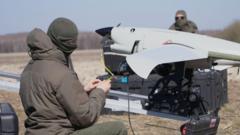
At a clandestine testing site, Ukrainian engineers are focused on the development of the Raybird, a long-range drone capable of flying over 1,000 kilometers (620 miles). This drone, designed for extended missions targeting critical infrastructure both on the front lines and deep within Russia, has become a focal point for Ukraine’s military strategies. Though Ukraine and Russia recently brokered separate agreements with the U.S. to enforce a partial ceasefire—aimed at ceasing attacks on each other’s energy sectors—skepticism looms over the durability of such commitments. "The Russians will punch you in the face, and the next day, make a deal," said Oleksiy, a representative from the drone development company Skyeton, indicating doubts regarding Moscow's adherence to the ceasefire.The cessation of drone attacks would offer temporary relief to Russia, which has faced over 30 attacks on its oil infrastructure amid Ukraine's relentless operations. Significant attacks on installations like the Ufa refinery demonstrate the extent of Ukraine's strategic reach, reducing Russia’s oil refining capacity by around 10%, as reports indicate an extension of Moscow's ban on petroleum exports.Amid these developments, President Volodymyr Zelensky announced advancements in drone technology, including a new drone design with a range extending up to 3,000 km (1,860 miles), capable of reaching as far as Siberia. This potential escalation further emphasizes Ukraine’s technological strides in wartime, including turbojet-powered missile-drones developed for quicker strikes on targets.In contrast, the energy ceasefire holds promise for Ukraine, which has endured relentless attacks on its power infrastructure. Previous assaults grounded Ukraine's energy generation capabilities to a mere one-third of pre-war levels; just last winter, the nation faced devastating impacts from Russian air attacks.Despite the glimmer of hope that a ceasefire brings, experts warn that ongoing Russian assaults could jeopardize Ukraine’s energy security, especially with gas storage facilities alarmingly low. As Ukrainian engineers celebrate successful tests of the Raybird, they remain cognizant of the reality that any pause in development could provide Russia with the opportunity to regroup.In these critical times, Oleksiy reflects a common sentiment within the ranks of Ukraine's defense: "We must be ready," indicating a resolve to continue innovating even as temporary truces are observed. With geopolitical uncertainty prevailing, the future remains fraught with challenges as both nations navigate the complexities of warfare on both the ground and in the skies.
