
In brief
After receiving death threats in South Africa, Charl Kleinhaus and other white Afrikaners arrive in the U.S. seeking asylum under a contentious policy enacted by former President Trump. Despite backlash and accusations of opportunism, Kleinhaus faces scrutiny over his social media past and navigates the complexities of migration and identity in a challenging political landscape.
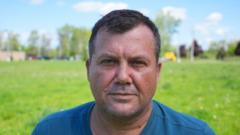
Last week, 46-year-old Charl Kleinhaus transitioned from his family farm in South Africa’s Mpumalanga province—a region known for its breathtaking beauty—to a budget hotel located alongside an American highway in Buffalo, New York. This change came after he, along with other white South Africans, was granted refugee status under a segment of President Trump's immigration policy, aimed at safeguarding them from alleged discrimination—a claim the South African government refutes.Kleinhaus, who insists that he did not leave for leisure, cites a series of troubling WhatsApp death threats as the impetus for his departure from South Africa. "I had to leave a five-bedroom house, which I will lose now," he recounts, adding that he left his pets and family behind except for his children, whom he believes are now safer. Tragically, his wife perished in a road accident back in 2006, amplifying the emotional weight of his journey.This refugee resettlement of white South African farmers has become a rallying point within segments of American conservative politics, with endorsements from figures like Trump and Elon Musk. Despite widespread condemnation for claiming a “genocide” against white farmers in South Africa, Trump signed an executive order to expedite the refugee status for Afrikaners like Kleinhaus back in February.Kleinhaus arrived with 58 others last Tuesday at Dulles Airport, greeted in a display of patriotism with balloons in the colors of the American flag. He expresses gratitude toward Trump, believing the former president recognizes the hardships faced by their community.Despite the historic injustices of apartheid, Kleinhaus describes his perspective amidst calls from South African President Cyril Ramaphosa labeling the group as “cowards” for abandoning their homeland rather than confronting its issues. Kleinhaus does acknowledge the struggles of black South Africans but insists that his own situation is grave, claiming threats from locals and expressing fear stemming from the government's land reform initiatives which allow for property expropriation without compensation.Some fellow Afrikaners accuse Kleinhaus of playing the victim, arguing that the criminal landscape in South Africa does not equate to persecution worthy of seeking refugee status. In his defense, however, Kleinhaus states that while the overall murder rate may be low, fear permeates his community and that he cannot risk being victimized.As questions around the vetting process of refugees arise, Kleinhaus also grapples with the implications of past social media posts that contained antisemitic remarks, which he attributes to a momentary lapse in judgment. Nevertheless, he maintains that he is committed to contributing positively to American society.Kleinhaus is fully aware of the political landscape, aware that any shift in administration might jeopardize his newfound status. He chooses hope and faith in a providential journey, insisting that this resettlement aligns with what he perceives as a divine plan for his life. "If he didn't want me to come, I wouldn't be here," he asserts, navigating the complexities of his new life amid ongoing controversies surrounding immigration and refuge.

