
In brief
Paraguay’s new president Pedro Alliana was sworn in on November 6 after the Senate unanimously removed former President Santiago Peña. Peña is now under house arrest while prosecutors investigate influence-peddling allegations linked to the collapse of digital bank Ueno, which froze accounts for nearly three million Paraguayans.
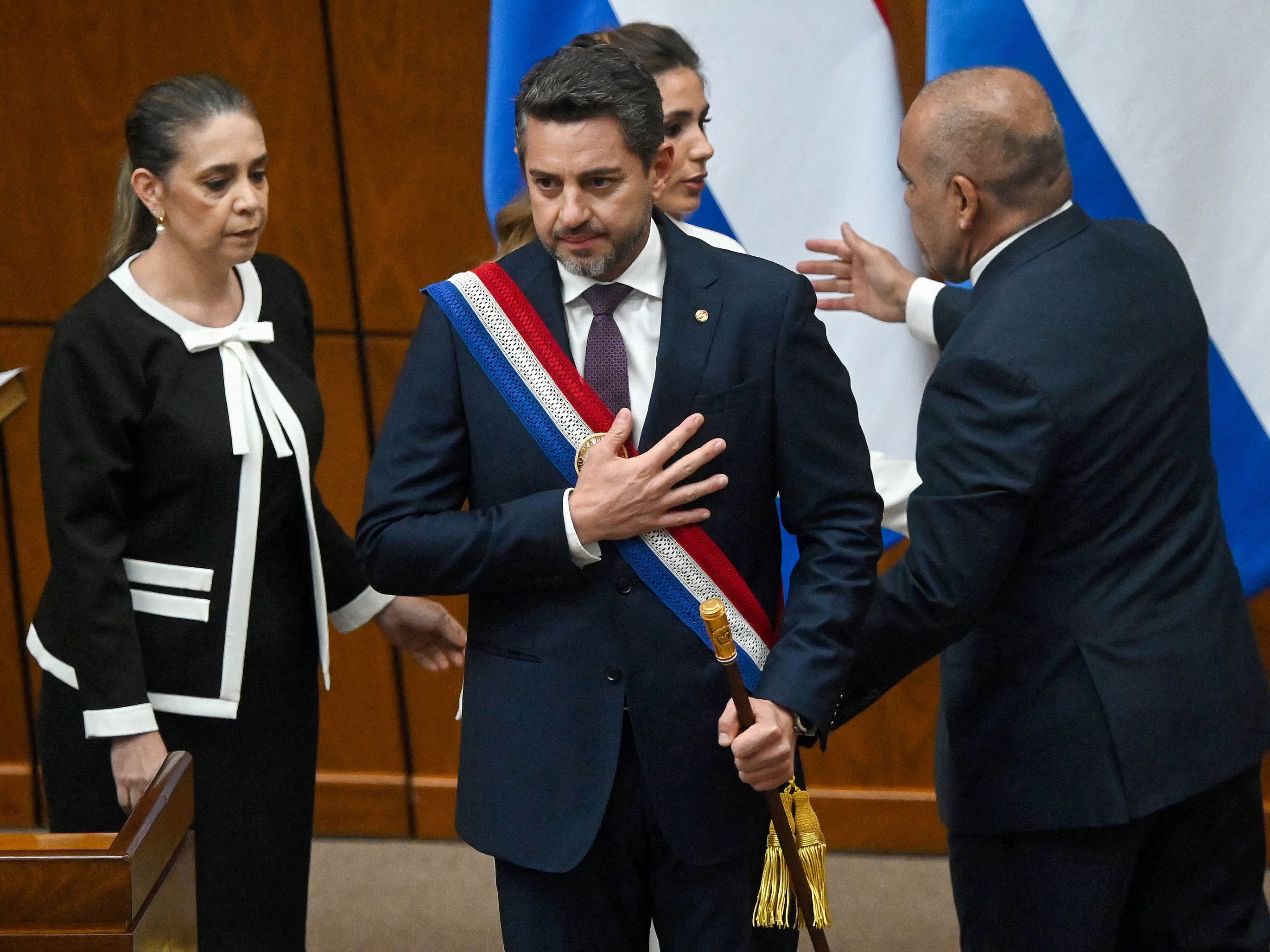
On Friday, November 6, 2026, former Vice President Pedro Alliana was sworn in as Paraguay’s new president while former President Santiago Peña was taken under house arrest after an impeachment vote, sources reported.
In the ceremony held in Asunción, Alliana replaced Peña who had been voted out by the Senate the previous day. The vote was unanimous among the 44 senators present and was the culmination of a short-lived impeachment proceeding that began after the Chamber of Deputies launched charges against Peña on Thursday over the banking crisis that left millions of Paraguayans unable to access their deposits.
According to Reuters, Alliana’s swearing‑in followed Peck’s resignation, which was submitted amid the Ueno Bank collapse but was not accepted by Congress. Instead, the House opted for impeachment, effectively ending Peña’s tenure in a single day.
Root of the crisis: The Ueno Bank collapse
The emergency that prompted Peña’s removal began when the Paraguayan Central Bank seized control of the digital bank Ueno earlier that week due to insolvency concerns. The intervention froze deposits held by about three million customers, roughly half of Paraguay’s population, a figure that includes pensioners and other vulnerable groups.
The free‑zing of funds triggered a wave of protests across the country. AFP reported that the crisis “sent shockwaves through the banking system and created a climate of uncertainty and mistrust among the Paraguayan public.”
Current status and questions
Officials outside Peña’s house in Asunción stated that prosecutors were still in the process of determining the charges that could include influence peddling, according to WAM. The former president is required to appear at the prosecutor’s office on Saturday morning.
Peña’s connection to Ueno Bank’s controlling group was a key point of criticism. The Senate cited “misconduct and conflict of interest” related to the bank’s collapse as the basis for removing him. Alliana, however, has not yet outlined a concrete strategy to address the ongoing banking disruption or stabilize depositor confidence.
The rapid transition has raised several open questions: Will Alliana retain the existing measures taken by the Central Bank or roll them back? How will the government ensure that the freeze on Ueno’s accounts is lifted without exacerbating the economic fallout? And what will be the legal fate of Peña after the house‑arrest order?
Paraguayan authorities also face the challenge of restoring public trust. The nationwide protests and the sudden change in leadership underscore the need for transparent governance. Yet the new president will be working from the helm of an administration marred by financial instability and questions about political interference.
Will the investigation into potential influence peddling result in conviction? Will Peña’s resignation be honored? How long until the Central Bank can resume normal operations with Ueno Bank? These are the uncertainties that remain as the country looks toward a calmer banking environment.
Meanwhile, the international financial community is monitoring the situation closely. Analysts note that the speed of the leadership change could either reassure markets or raise concerns about political volatility. Paraguay’s move to impeach and replace its president in a single day is unprecedented in the country’s modern history, prompting observers to examine the standing of the democratic process.
For now, Alliana will steer the nation through the immediate fallout from the Ueno crisis, while the legal scrutiny of Peña continues outside the public eye. The full impact of the crisis on Paraguay’s economy and on the very fabric of its political institutions will unfold in the coming days as new decisions are taken and investigations progress.


