In brief
Irmgard Furchner, a key figure in the legal prosecution of Holocaust accomplices, has died at the age of 99, prompting reflections on the pursuit of justice for war crimes over recent decades.
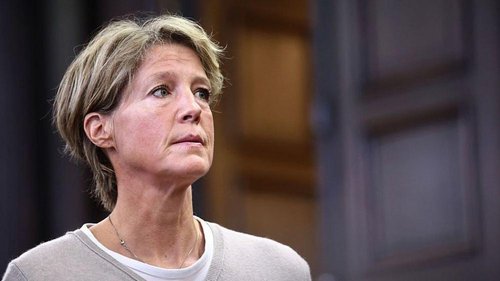
Irmgard Furchner, whose actions as a secretary at a concentration camp during World War II led to her conviction as an accessory to over 10,000 murders, has passed away at the age of 99. Her death, confirmed on April 7 by various German media outlets, marks a poignant moment in the history of legal accountability for Nazi war crimes.Born Irmgard Dirksen, Ms. Furchner served at the Stutthof concentration camp in occupied Poland, where she was tasked with secretarial duties from June 1943 to 1945 under the command of Paul-Werner Hoppe. Her role involved typing deportation orders and execution lists—tasks that underscored the bureaucratic machinery of extermination. In 2022, she was convicted as an accessory to more than 10,000 murders, a significant legal milestone as it reflected a broader judicial approach in Germany to hold lower-ranking officials accountable for their involvement in the Holocaust. Onur Ozata, a lawyer who advocated for survivors during her trial, emphasized the importance of this shift, stating that bringing a "bureaucratic cog" like Furchner to justice was groundbreaking.The prosecution signaled a change in German judicial philosophy over the past decade, moving towards holding individuals in subordinate roles accountable without the necessity for direct evidence of murder. The news of her passing prompts renewed discussions on the implications of such trials and the ongoing quest for justice for Holocaust victims and their families.