In brief
With steel and aluminum tariffs raised to 50%, American industries such as home building, automotive, and can manufacturing brace for rising material costs, potentially leading to higher consumer prices, while domestic steel producers celebrate the move.
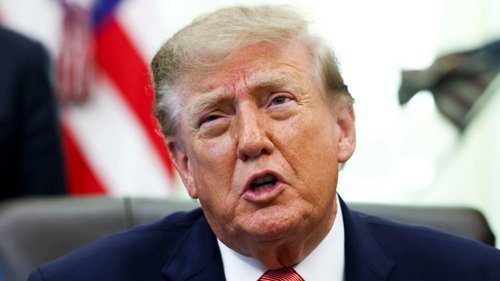
President Trump has recently elevated the tariffs on steel and aluminum imports to an alarming 50 percent, just three months after a preliminary 25 percent tariff was implemented. This change, made public on Wednesday, aims to bolster U.S. steel manufacturers, but it has raised significant concerns among various domestic sectors, which argue that these tariff hikes may result in increased prices for American consumers.Industries such as home construction, automotive manufacturing, and can production are anticipated to feel the brunt of these changes. Many firms are expected to pass on the rising costs to consumers. Mary E. Lovely, a senior fellow at the Peterson Institute for International Economics, underscores this potential scenario, stating, “It means higher costs for consumers.”On the flip side, American steel industry groups have welcomed the tariff escalation. They assert that these new higher tariffs could stimulate investment and create jobs within the U.S. Kevin Dempsey, president and CEO of the American Iron and Steel Institute, noted that the augmented tariffs will enable U.S. steelmakers to better compete against foreign producers, specifically China, whose influx of cheaper metal threatens local markets.Dempsey added that previous tariffs were a necessary first step but reiterated that a stronger policy was required to safeguard U.S. industry interests. As the debate unfolds, the impact of these tariffs on both the economy and consumers remains a pivotal concern, signing a complex chapter in the ongoing discussion about U.S. trade policy and its far-reaching effects.