In brief
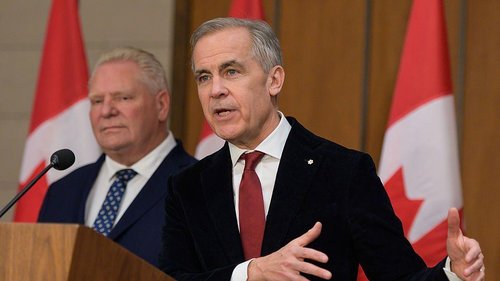
In a surprising turn of events, the threats from the Trump administration to impose tariffs on Canadian exports and calls for annexation have led to a significant rise in demand for Canadian flags. This surge in patriotism highlights a unique response to external pressures.
February 26, 2025, 5:04 a.m. ET - Under normal circumstances, Debbie Hartlen, a flag maker in Dartmouth, Nova Scotia, would sell about one Canadian flag a day. However, following President Trump’s threats to impose crippling tariffs on Canadian goods and his provocative suggestion that Canada should become the 51st state, her daily sales have skyrocketed to approximately 300 flags, with a significant boost coming from her online shop. “Isn’t it wonderful?,” Hartlen exclaimed, expressing gratitude for the unexpected business boost brought on by the Trump administration. “Thank you, Trump. Who would have thought we’d be saying that?”This phenomenon coincides with the 60th anniversary of Canada’s iconic maple leaf flag, and reflects a shift in how Canadians engage with their national symbol. The red and white flag, historically less prominent in daily life compared to its American counterpart, has recently become a powerful symbol of defiance against Trump’s remarks and policies. The increased interest in the Canadian flag has also revitalized its image, particularly in the wake of protests that paralyzed Ottawa for nearly a month in 2022 against COVID-19 restrictions, during which the flag became a prominent symbol for demonstrators. As Canadians rally around their national banner, the juxtaposition of external threats and internal unity brings forth a unique moment in the nation’s identity, spurring an unexpected wave of nationalism in response to foreign provocations.