In brief
The report highlights critical regions affected by aridity and calls for urgent action to mitigate the impact of climate change.
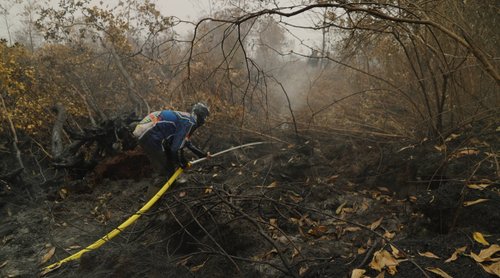
As global temperatures rise, recent findings from a U.N. report state that more than 75% of the Earth’s land has become consistently drier over the past few decades. This alarming trend, attributed largely to human-induced climate change, poses a significant threat to ecosystems and human livelihoods worldwide. The report, unveiled during ongoing discussions in Riyadh, Saudi Arabia, emphasizes the increasing prevalence of droughts, water shortages, and desertification. It indicates that the emissions of greenhouse gases are accelerating these dry conditions, which may lead to more frequent sandstorms, wildfires, and agricultural failures if not adequately addressed.Notably, the data reflects a stark rise in the number of individuals living in moisture-scarce areas, escalating from 20% in 1990 to nearly 30% today. This shift places many vital agricultural regions, including parts of Argentina, Spain, and the Black Sea area, at heightened risk, according to Narcisa Pricope, a lead author of the report and land systems scientist at Mississippi State University. Vulnerable regions, like South Sudan, face additional threats from socio-political instability compounded by environmental issues."This aridity crisis is occurring within our lifetime, significantly affecting future generations," Dr. Pricope stated, highlighting the urgent need for deliberate and concerted action from global leaders. As negotiations at the U.N. summit continue, the call to halt the transformation of habitable land into uninhabitable terrain remains paramount for sustainable development and human survival.