
In brief
Mubadala Energy, during ADIPEC 2026, outlined a ten‑year plan to double production, with natural gas comprising roughly 70% of its portfolio. The strategy emphasizes operational efficiency, sustainability, digital technology, and expanded reach in Malaysia, Indonesia, the U.S., and Egypt. The company also highlighted its intent to grow through partnerships and enhanced performance of existing assets, while a separate report shows a Mubadala‑backed firm divesting Algerian oil interests to shift focus.
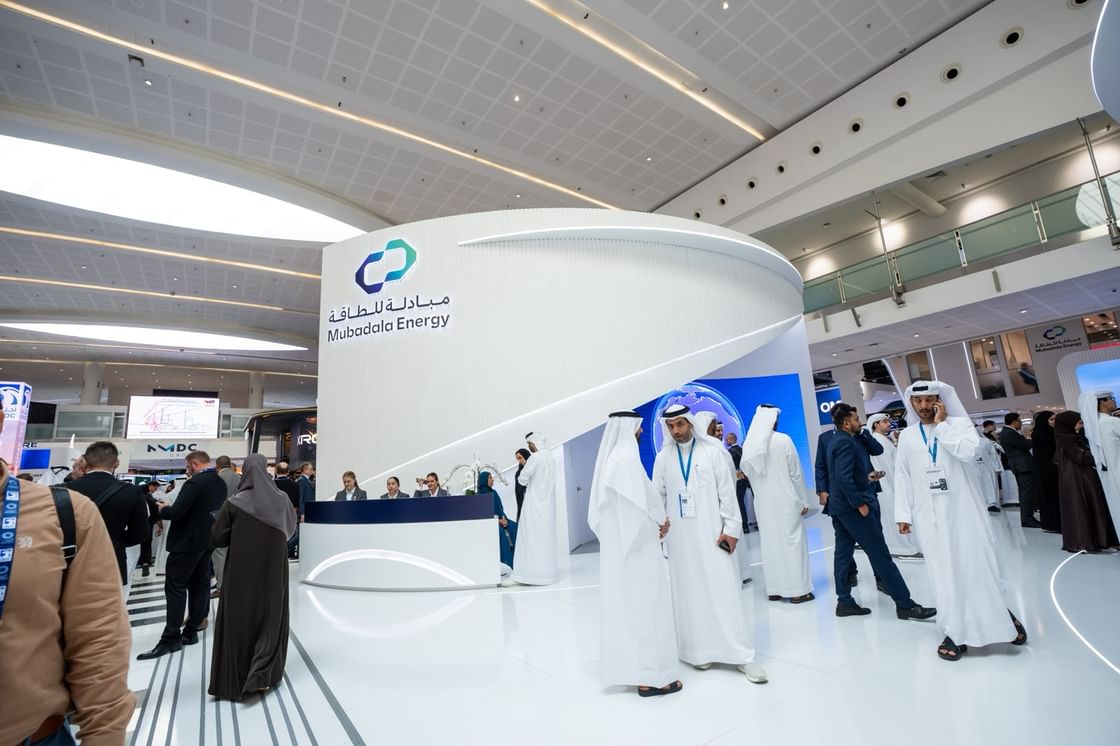
On 5 November 2026, at the Abu Dhabi International Petroleum Exhibition & Conference (ADIPEC), Acting Chief Executive Officer Adnan Bu Fateem of Mubadala Energy announced that the company intends to double its production over the next decade, positioning natural gas at a core of its growth. The announcement was made in front of a packed auditorium in Abu Dhabi, where the company’s ambitions were unveiled with a detailed slide deck outlining portfolio expansion and operational priorities.
Bu Fateem said the company’s priority was to translate its strategy into “disciplined growth and reliable operational performance” to meet rising energy demand responsibly while delivering sustainable value to shareholders and host countries. He explained that Mubadala Energy would pursue investments across the natural gas value chain, linking competitive gas resources to long‑term demand. The company’s portfolio includes seven producing assets spanning Southeast Asia, the Middle East, the Eastern Mediterranean, and the United States, and the new plan is meant to build on that diversity.
Key Projects and Geographic Focus
In Malaysia, Mubadala Energy operates the Pegaga gas field, where it has recently expanded capacity and is exploring further upside. In Indonesia, the firm is advancing the Tangkulo development, on top of its established exploration presence in the Andaman Sea. The United States has become the company’s newest market through its investment in Caturus LLC, which spans gas production in the Haynesville Basin and the Commonwealth LNG project. The LNG project reached a Final Investment Decision in May 2026 and was slated to produce 9.5 million tonnes annually, with plans to increase capacity to 16 million tonnes per year.
In the Middle East, Mubadala has strengthened its position in Egypt by acquiring a 15 % stake in the Nargis Offshore Area, complementing existing stakes in the Zohr and Nour concessions. The company’s acquisitions of stake in Yemen were described in a related report that highlighted a shift in the Mubadala‑backed Moeve’s portfolio, selling three Algerian oil fields to Indonesia’s Pertamina to refocus resources on upstream development. © Forbes Middle East, authored by Mahir Haneef.
The expansion plan for the U.S. is seen as a gateway to further North American growth through the Caturus investment, Bu Fateem added. He emphasized that the integrated presence of production and LNG capabilities provides a “clear route to market” and bolsters portfolio resilience.
Bu Fateem also stressed that the company’s strategy revolves around creating a more integrated and resilient portfolio. He highlighted three core components: targeted investments, operational efficiency, and sustainability. The sustainability agenda includes emission reductions and extensive use of digital technologies to drive performance gains across the portfolio.
Strategic Partnerships and Openness to Collaboration
In line with the broader strategy, Mubadala Energy’s senior leadership underscored the importance of building strong partnerships. The CEO said that pursuing growth through “clear routes to market” and joint ventures with local and international partners would allow the company to achieve scale while maintaining operational excellence.
In Malaysia, Mubadala is working closely with local stakeholders to increase output at Pegaga while ensuring environmental stewardship. In Indonesia, the company has engaged with government agencies to ensure compliance with evolving regulatory frameworks as it advances the Tangkulo field. The U.S. asset, Caturus, is a joint venture that consolidates expertise across the gas production and LNG supply chain, aligning with the broader Gulf‑East dynamic of export‑first gas strategy.
While the announcement highlighted operational and environmental commitments, it left open questions about the financial outlay required and the precise timeline for each project’s ramp‑up. Analysts note that a plan to double production could involve significant capital expenditures, yet the company’s briefing did not disclose specific funding sources or partner financing structures.
Compounding the transparency gap, a recent Forbes Middle East piece on a Mubadala‑backed entity’s divestiture of Algerian oil stakes suggests that the Abu Dhabi fund is actively rebalancing its portfolio. The new focus on upstream gas introduces uncertainty about how much capital will flow into the Algerian assets that are being sold, although the company’s spokesperson stated that the divestiture is part of a broader realignment strategy.
During a Q&A session after the presentation, several analysts asked for clarification on whether the company would leverage external debt or invest internal resources to fund the planned expansion. Bu Fateem answered that both internal resources and external financing will be combined, but specific figures were deferred to a future investor brief.
The announcement also implicitly referenced the company’s commitment to sustainability. The CEO cited ongoing initiatives in digital technology adoption, emission reduction targets, and a shift toward cleaner gas infrastructure. The company’s pledge to use advanced sensor analytics and AI‑driven predictive maintenance aligns with industry trends toward higher efficiency and lower operating costs.
Earlier in the morning, the Energy Connects online feature highlighted the emphasis on trust, execution, and capital as cornerstones of Mubadala Energy’s expansion. Although the feature did not list specific quotes, it reflected the broader narrative that Mubadala is positioning itself as a reliable partner for next‑generation infrastructure in natural gas.
In sum, Mubadala Energy’s 2026 ADIPEC announcement marks a clear, decade‑long push toward doubling production with a 70 % natural gas focus. The strategy is underscored by geographic diversification, partnerships, operational efficiency, sustainability, and the use of digital tools. Open questions remain regarding financing logistics, precise ramp‑up schedules for each field, and how the company will handle the transition of assets such as the recent divestiture from a Mubadala‑backed Spanish‑owned company. The company is set to provide further details in upcoming investor briefings and as it moves forward with its strategic milestones.

