
In brief
Residents grapple with toxic air as government struggles with persistent pollution issues
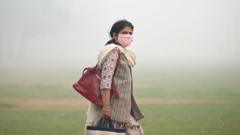
Air pollution in New Delhi has reached alarming and hazardous levels, causing significant distress among residents and resulting in a thick smog that shrouds the city. Recent readings from monitors indicate pollution levels soaring to 1,500 on the Air Quality Index (AQI) at approximately 3:00 PM IST (9:30 AM BST) according to IQAir, which is 15 times higher than the World Health Organization's acceptable limit for safe air quality. This severe deterioration in air quality has led to the disruption of flight services, the closure of schools, and a temporary ban on construction activities in the capital.The situation in Delhi is further exacerbated by ongoing air quality issues in neighboring Lahore, where pollution levels have also exceeded 1,000 AQI. Experts forecast that the air quality in Delhi may further decline in the ensuing days, potentially necessitating additional stringent measures to mitigate the spiraling pollution crisis. The WHO categorizes air with AQI values beyond 300 as dangerous to health, prompting India's pollution control authorities to classify the air quality in the city as "severe plus," with levels surpassing 450 in recent assessments.In response to this crisis, Delhi's government has implemented several measures including the closure of schools, construction bans, and restricting non-essential truck entry into the city. They have also recommended that offices facilitate remote work for at least half of their employees. Recently, activities linked to coal and firewood usage, along with non-emergency diesel generator operations, have been banned to help reduce pollution levels.Historically, Delhi and surrounding regions face severe pollution challenges during the winter months, exacerbated by cold temperatures, stagnant air, vehicular emissions, and crop stubble burning. Despite repeated measures being rolled out each year, the persistent pollution crisis remains unresolved.Delhi's Chief Minister Atishi has declared that all of northern India is facing a "medical emergency" resulting from unchecked stubble burning, particularly in neighboring regions such as Haryana, Uttar Pradesh, and Bihar. She criticized the ruling Bharatiya Janata Party (BJP) for failing to take decisive action, while the BJP countered by placing the blame on Delhi's ruling Aam Aadmi Party (AAP) for the ongoing pollution.As residents struggle to cope with deteriorating air quality, many expressed their concerns online. One affected individual described waking up with a painful throat, noting that even two air purifiers failed to provide breathable air indoors. Calls for peaceful protests against the toxic air grip social media as citizens express outrage at the hazardous conditions in which they are forced to live.

