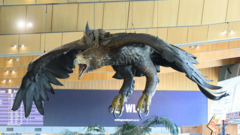
The iconic eagle sculptures themed from JRR Tolkien's "The Lord of the Rings" and "The Hobbit" are set to be retired from their prominent place at New Zealand's Wellington Airport. After over ten years of welcoming travelers with their grandeur, these artistic creations will be unfastened from the airport’s ceiling this Friday, allowing room for an upcoming mystery exhibit, according to airport officials.
These majestic figures have acted as remarkable beacons for tourists since their installation in 2013, coinciding with the premiere of The Hobbit trilogy, directed by New Zealand's own Sir Peter Jackson. The sculptures embody the essence of the films, with their stunning New Zealand backdrops drawing visitors from around the globe. “Airborne departures are typical for Wellington Airport, but this one will be emotional for us,” said Airport CEO Matt Clarke.
Each eagle, weighing approximately 1.2 tonnes (around 1,200 kg) with a wingspan stretching up to 15 meters (49 feet), features intricate designs, including a polystyrene body and an internal steel skeleton, adorned with hundreds of delicate feathers measuring up to 2.4 meters (8 feet) long. One of the eagles is even depicted carrying a sculpture of Gandalf, the beloved wizard from the series.
As the airport prepares to bid farewell to the impressive sculptures, which will be stored without immediate plans for their future, fans of the franchise can still visit the check-in area, where Smaug the Magnificent, the dragon from The Hobbit, remains displayed, maintaining a piece of the cinematic magic in the terminal.
In collaboration with Wētā Workshop, known for its cinematic artistry on The Lord of the Rings franchise, Wellington Airport is gearing up for a surprise announcement later this year that promises a unique, locally themed replacement for the beloved eagles. Notably, in a prior incident, one eagle sculpture fell during an earthquake in 2014, thankfully without injuring anyone. As changes unfold, the airport continues to embrace its significant role in New Zealand’s cultural landscape.
These majestic figures have acted as remarkable beacons for tourists since their installation in 2013, coinciding with the premiere of The Hobbit trilogy, directed by New Zealand's own Sir Peter Jackson. The sculptures embody the essence of the films, with their stunning New Zealand backdrops drawing visitors from around the globe. “Airborne departures are typical for Wellington Airport, but this one will be emotional for us,” said Airport CEO Matt Clarke.
Each eagle, weighing approximately 1.2 tonnes (around 1,200 kg) with a wingspan stretching up to 15 meters (49 feet), features intricate designs, including a polystyrene body and an internal steel skeleton, adorned with hundreds of delicate feathers measuring up to 2.4 meters (8 feet) long. One of the eagles is even depicted carrying a sculpture of Gandalf, the beloved wizard from the series.
As the airport prepares to bid farewell to the impressive sculptures, which will be stored without immediate plans for their future, fans of the franchise can still visit the check-in area, where Smaug the Magnificent, the dragon from The Hobbit, remains displayed, maintaining a piece of the cinematic magic in the terminal.
In collaboration with Wētā Workshop, known for its cinematic artistry on The Lord of the Rings franchise, Wellington Airport is gearing up for a surprise announcement later this year that promises a unique, locally themed replacement for the beloved eagles. Notably, in a prior incident, one eagle sculpture fell during an earthquake in 2014, thankfully without injuring anyone. As changes unfold, the airport continues to embrace its significant role in New Zealand’s cultural landscape.