
In brief
Luxon's apology follows a comprehensive investigation uncovering systemic abuse within state and faith-based care facilities, prompting government reform promises.
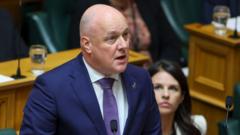
New Zealand's Prime Minister Christopher Luxon has delivered a historic apology in parliament to the victims of abuse in care homes, following an extensive inquiry that uncovered one of the country's most significant abuse scandals. The inquiry revealed that between 1950 and 2019, approximately 200,000 children and vulnerable adults faced various forms of abuse in state and faith-based care systems, with many victims hailing from Māori and Pacific communities, as well as individuals with mental or physical disabilities. In a poignant address, Luxon expressed deep remorse on behalf of both current and former governments. "It was horrific. It was heartbreaking. It was wrong. And it should never have happened,” he acknowledged, emphasizing the lasting impact on survivors' lives. This inquiry, which he described as New Zealand's largest public investigation, took six years to complete and involved interviews with over 2,300 abuse survivors.The findings of the report laid bare a wide array of abuses, including rape, sterilization, and forced labor. Notably, it indicated that faith-based institutions had a higher prevalence of sexual abuse than their state counterparts. The investigation also revealed systemic attempts by civil and faith leaders to cover up these abuses, often moving perpetrators to new locations rather than addressing the misconduct, leaving many victims seeking justice in vain. The acknowledgment from Luxon came as bittersweet news for many survivors and advocates. While some attended the parliamentary session to hear the prime minister's apology, criticism arose over his decision to present the apology in parliament, limiting direct engagement with affected individuals. Survivors expressed skepticism toward the apology, noting that it would be ineffective without actionable restitution plans. "I felt physical abuse, but the disconnection from my family and culture was even more damaging," remarked Tupua Urlich, a Māori survivor and testimony provider during the inquiry. Urlich emphasized the need for concrete actions to back the prime minister's words, highlighting that trust in the government has been eroded over time. Luxon announced the government would allocate an additional NZ$32 million (approximately $19 million) to the current care system while developing a new financial restitution framework for survivors, with details expected in early 2024. The inquiry made over 100 recommendations, including calls for public apologies from authorities and religious leaders and an obligation to report suspected abuse.While 28 of the recommended actions have either been completed or are underway, specific details were sparse. A proposed bill aimed at improving protections for children in care was introduced for its first reading on the same day as the apology. This legislation seeks to implement measures like a ban on strip searches and enhanced restrictions on individuals working with children. In a poignant gesture, Luxon has established a National Remembrance Day to be commemorated on November 12 next year, marking the anniversary of the formal apology. “It is on all of us to do all we can to ensure that abuse that should never have been accepted no longer occurs,” Luxon concluded.
