In brief
"Baracoa," a road‑dramedy about an Italian revolutionary friend of Fidel Castro and his son’s journey, makes its national premiere in Havana on 6 November 2026. The film follows a triumphant festival run, winning the Audience and Best Screenplay Awards at Trieste. Its domestic debut brings together the cast, crew and critics for the first time on Cuban screens, sparking questions about the film’s reception and future distribution.
On 6 November 2026, the historic Yara movie theater in Havana hosted the national premiere of the Italian‑Cuban film "Baracoa," directed by Luis Ernesto Donas. The screening followed a successful run at the 41st Ibero‑Latin American Film Festival in Trieste, Italy, where the film took home the Audience Award and the Best Screenplay Award.
According to the Cuban Film Institute (ICAIC), the director, producers, production crew and entire cast attended the premiere, underscoring the film’s significance as a bridge between Cuban and Italian cinema.
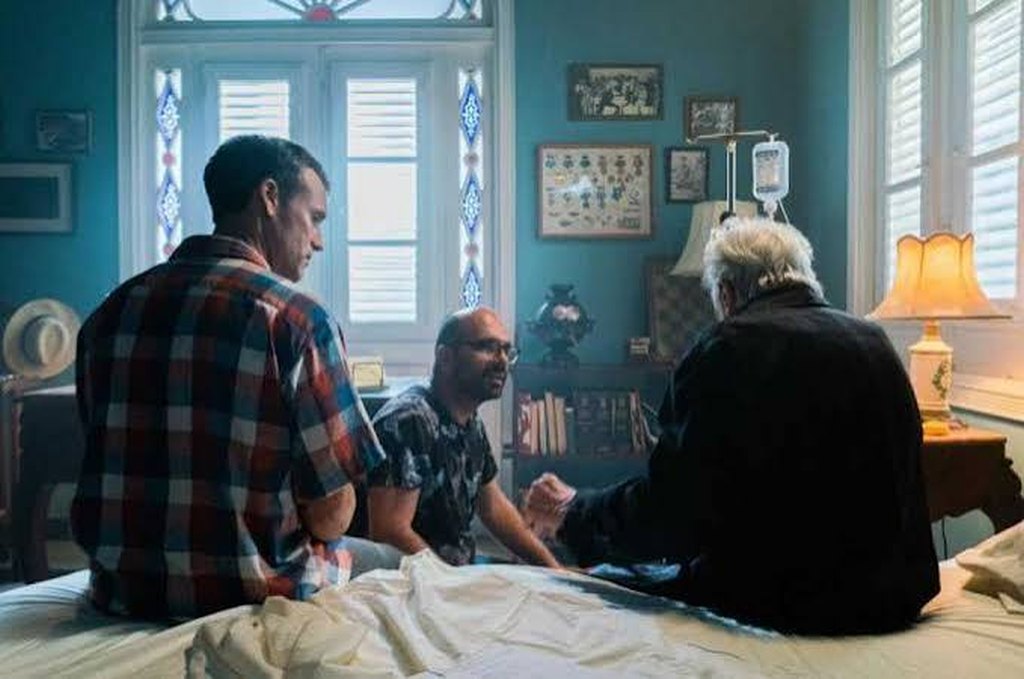
"Baracoa" is a dramedy that depicts the friendship between Felipe, an Italian revolutionary who shared a close bond with Fidel Castro, and his son Pepe, whose life is shadowed by homophobic prejudice. After Felipe’s death, Pepe teams up with doctor Jimmy to undertake a road trip from Havana to Cuba’s easternmost city, a journey that becomes a profound exploration of identity, love and good‑heartedness.
The film’s storyline has generated interest beyond its artistic merits. It is not only a cinematic narrative but also a cultural artifact that highlights the historical ties between Italy and Cuba during the revolutionary era.
At the Trieste festival, "Baracoa" won the Audience Award in the Official Competition. The accolade, presented to the film’s director Luis Ernesto Donas and co‑screenwriter Filippo Ascione, reflects a strong positive response from festival attendees. Additionally, the film received the Best Screenplay Award, recognizing the script’s foray into intimate character work amid historical context.
In an interview published by Prensa Latina, Donas spoke about the emotional resonance of the film:
"this purity of emotion, which comes across on screen, is what, in a way, manages to connect with audiences."The director’s comment echoes the sentiments of critics who noted the film’s capacity to blend humor and pathos while tackling complex social themes.
Radio Angulo described the film as an "italo‑cubano" dramedy, emphasizing the presence of the Cuban Film Institute’s assistant and the authorship of the screenplay. The website highlighted that the storyline follows a friendship and its related prejudices, and that the journey from Havana to Baracoa transforms the protagonists.
The Yara premiere marks the first time the film will be screened on Cuban screens in its original language and without dubbing, a development that had been anticipated by fan communities and diaspora groups that followed the film’s festival milestones.
While the film’s triumph at Trieste underlines its artistic success, its reception in Havana remains to be observed. The involvement of Italian star Giancarlo Giannini, who portrays Felipe, has drawn attention from both Cuban media and Italian film circles. Observers speculate whether the film will trigger renewed dialogue on the historically close relationship between Cuba and Italy, especially regarding the role of Italian volunteers in the Cuban Revolution.
Moreover, industry analysts note that the successful festival run could pave the way for wider distribution of the film beyond Cuban theaters. Potential agreements with international streaming platforms or broader theatrical releases in Latin America and Europe could arise, but no formal statements from distributors have yet been made.
The ICAIC has indicated that this release may precede a limited release across other national theaters. The institute’s statement emphasized that the ceremony served as a celebration of cultural collaboration and the revitalization of Cuban cinema.
As the film concludes its premiere at Yara, critics and audiences alike are still shaping the narrative of its impact. Will the film’s themes of camaraderie and personal transformation resonate with Cuban viewers as deeply as they did with international audiences? What are the implications for future co‑production partnerships between Cuban filmmakers and their Italian counterparts? These questions remain open as the film navigates its domestic journey, aligning memory, modernity and cinema in a national context that has long cherished both heritage and solidarity.