
In brief
The recent 7.7 magnitude earthquake near Mandalay has transformed the once vibrant city, known for its golden pagodas, into a site of mourning and desperation. As the death toll surpasses 2,700, the grim reality of accumulated bodies leads to urgent cremation needs, with residents expressing helplessness amidst dwindling supplies of food and water. Relief efforts face significant challenges due to political turmoil and military-imposed restrictions, raising the specter of increased casualties and ongoing humanitarian crises.
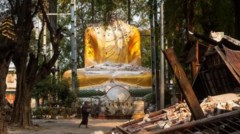
In the aftermath of a catastrophic 7.7 magnitude earthquake that struck near Mandalay, Myanmar’s former royal capital is now marked by sorrow and devastation. No longer the 'city of gold,' filled with shimmering pagodas, Mandalay has become a grim reminder of nature's destructiveness and the profound suffering of its residents. Reports indicate that the death toll has risen beyond 2,700, with the number expected to climb as search and rescue operations continue. Witnesses describe a nightmare, embodied by the sight of corpses being cremated in stacks due to overwhelming numbers, as families pick through rubble for lost loved ones—one resident, who lost her aunt to the disaster, recounted the harrowing wait for her body to be found two days later. The earthquake has left numerous families without shelter, forcing many to sleep on the streets amid persistent aftershocks, leading to sleepless nights and deep anxiety.The local firefighting teams have managed to rescue hundreds, but frustrations mount as insufficient resources hinder relief operations. Many survivors express profound hopelessness as the military’s historical suppression of information compounds their despair, and humanitarian workers face restrictions on providing assistance. National mourning commenced with a minute of silence for victims, but immediate relief has been muddied by military actions that include ongoing attacks on conflict-hit villages, regardless of the natural disaster's devastation.While international support has begun to trickle in from countries like Russia and China, the junta's control remains a significant barrier to effective aid delivery. Reports indicate that local volunteer efforts are often stifled by military bureaucracy, prompting humanitarian organizations to call for immediate access to those in desperate need, underscoring the intricate interplay of natural disaster and ongoing civil conflict that plagues Myanmar. As more residents grapple with the overwhelming loss, the dire state of Mandalay signals the pressing need for compassion and action in a region rife with tumult.
