
In brief
NATO has initiated a new surveillance mission titled "Baltic Sentry" aimed at enhancing the protection of critical undersea cables following incidents of damage over the past year.
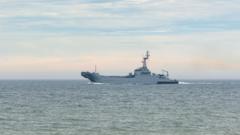
NATO has officially begun its "Baltic Sentry" mission to ramp up the patrol and surveillance of critical undersea cables in the Baltic Sea. Announced during a summit in Helsinki, this initiative will deploy more patrol aircraft, warships, and drones to monitor maritime activity in light of recent incidents that have caused damage to essential cables.NATO Secretary-General Mark Rutte emphasized the importance of this mission for member countries bordering the Baltic Sea—namely Finland, Estonia, Denmark, Germany, Latvia, Lithuania, Poland, and Sweden. Although no direct accusations were made against Russia for the damage caused to undersea cables, Rutte indicated a need for heightened vigilance regarding Moscow's so-called "shadow fleet"—unregistered vessels suspected of carrying embargoed oil products. The tensions in the region have intensified following Russia's aggression against Ukraine, and Rutte noted grave concerns about the state's impact on critical infrastructure."Each incident poses serious risks," said Rutte, stating that NATO would bolster its responses to infrastructure breaches through increased boarding and potential seizure of suspicious vessels. While specific details regarding the assets involved remain undisclosed for security reasons, Rutte asserted, “NATO will do what it takes to ensure the safety and security of our critical infrastructure.”Recent months have seen unexplained damages to undersea cables, underscoring the mission's urgency. A notable incident occurred in December when an electricity cable connecting Finland and Estonia was severed, prompting action from the Finnish coast guard, which intervened with the oil tanker Eagle S, raising alarms about potential threats to additional utilities.The situation has drawn attention from various nations, including Estonia and Sweden, with officials expressing doubt about the frequency of such catastrophic events being mere accidents or errors. Estonia's Foreign Minister Margus Tsahkna highlighted the need for cautious investigation, stating, "The damage has become so frequent that we cannot rule out hostile intent." As NATO mobilizes its forces to address these challenges, the protection of undersea infrastructure remains a top priority, given its critical role in global commerce and communication.
