
In brief
With over 150 firefighting teams engaged, Israel's wildfires, fueled by adverse weather conditions, are now largely under control following the evacuation of residents and assistance from international partners. Concerns remain about potential flare-ups as authorities investigate the cause of the conflagrations.
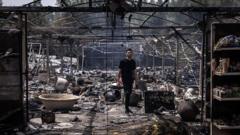
Fires that have swept through significant regions of central Israel since Wednesday have reportedly been largely contained, according to the nation's Fire and Rescue Authority. More than 150 firefighting teams have been working tirelessly to control the blaze, which has devastated approximately 20 square kilometers (7.7 square miles) of land in the Latrun vicinity, situated between Jerusalem and Tel Aviv. Israel's ambulance service noted that at least 12 individuals received treatment for smoke inhalation; however, there have been no reported fatalities. The Israeli broadcaster Kan reported injuries among 17 firefighters involved in combating the flames. A senior fire official remarked on the extreme challenges faced, attributing the severity to hot, dry weather conditions coupled with strong winds. “I've been in the service for 24 years, and I've been through many fires,” stated Shlomi Harush, deputy commander of Ayalon fire station. “There’s no doubt that this is one of the toughest fires I’ve seen.”In response to the fires, Israeli Prime Minister Benjamin Netanyahu declared a national emergency, prompting hundreds of residents to evacuate their homes. Fortunately, the evacuation orders for 12 towns in the vicinity of Jerusalem have since been lifted. International aid has come from various countries, including France, Italy, and Spain, which have sent aircraft and resources to assist with firefighting efforts. The havoc wreaked by the fires resulted in the cancellation of numerous official events intended to mark Israel’s Independence Day on Thursday, with a nationwide ban on traditional barbecuing activities imposed.Key transportation routes, including a major highway connecting Jerusalem and Tel Aviv, have now reopened, allowing for better mobility as the situation stabilizes. Social media captured the chaos as residents fled their vehicles amid smoke and flames engulfing the roads.Contradictory reports have emerged regarding the origins of the fires. Israeli President Isaac Herzog attributed the disaster to the broader climate crisis, while Netanyahu pointed his finger at potential arsonists, mentioning that 18 arrests were made. However, police later clarified that only three individuals remained in custody under unrelated suspicions, casting doubt on claims of arson.

