In brief
Recently identified remains in Manitoba's Prairie Green landfill belong to Morgan Beatrice Harris, a victim of a serial killer convicted last year. The search, controversial during provincial elections, raises issues of empathy and closure for Indigenous families.
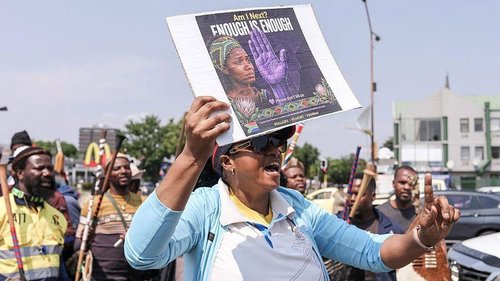
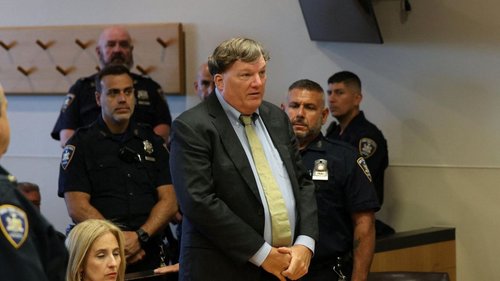
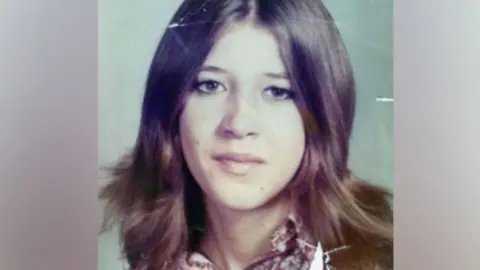
The police in Manitoba have confirmed that human remains recovered from a landfill near Winnipeg belong to Morgan Beatrice Harris, a victim of a serial killer, as of Friday. Harris, along with three other Indigenous women, was reported missing between March and May 2022. She was a member of the Long Plain First Nation and was 39 years old at the time of her death.Previously, only the remains of Rebecca Contois, 24, had been located and identified. The convicted killer, Jeremy Anthony Michael Skibicki, received a life sentence with no chance of parole for 25 years for the four murders and had shown support for far-right ideologies on social media.Besides Harris and Contois, the other victims include Marcedes Myran, 26, and an unidentified woman referred to as Mashkode Bizhiki’ikwe, or Buffalo Woman, by First Nations elders. The politically charged decision to search the Prairie Green Landfill became a significant issue during the 2023 provincial elections, especially as the former ruling Progressive Conservative party ran ads focusing on the associated costs and challenges, opposing the search due to concerns over potential outcomes.Indigenous advocates have drawn comparisons to the case of serial killer Robert Pickton, whose pig farm in British Columbia became the largest crime scene investigation in Canadian history. Pickton was convicted of killing six women, primarily Indigenous, and claimed to have taken many more lives.The announcement of Harris's identification came from the New Democratic Party government, which had committed to searching the landfill during their campaign. Wab Kinew, the party's leader and Manitoba’s first Indigenous premier, emphasized the need for compassion, as did Harris's daughter, Cabria, who described the moment of identification as bittersweet.In response to criticism regarding the earlier rejection of the landfill search, Wayne Ewasko, the interim leader of the Progressive Conservatives, issued an apology in the provincial legislature, acknowledging their failure to empathize with the victims' families. However, Cabria Harris expressed skepticism about the apology, emphasizing the need for tangible actions beyond words.