
In brief
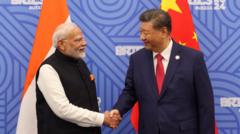
In a recent interview, Prime Minister Narendra Modi expressed hopes for an improved relationship with China, emphasizing the return to normalcy at the disputed border. Despite the escalating tensions since the deadly clashes in Ladakh in 2020, these remarks demonstrate a desire for deeper cooperation between the two nations. The comments were welcomed by Chinese officials, indicating a mutual interest in fostering bilateral ties.
However, the relationship remains complex, with numerous challenges ahead. Trade between India and China remains strong despite previous hostilities, and efforts for dialogue continue, including high-level military discussions that led to recent agreements on border patrols and airline services. Simultaneously, geopolitics adds strain, as both countries maintain alliances with each other's adversaries—India with the US and China with Pakistan. Further complicating matters, India’s ties with Taiwan and ongoing defense deals in Southeast Asia could be perceived as provocations by Beijing. Future engagements between Modi and Chinese President Xi Jinping at upcoming international summits will be crucial for assessing the trajectory of their relationship. If the two leaders can navigate these waters effectively, further cooperation may stabilize their interactions. Monitoring Chinese investment in India’s infrastructure could further ease tensions, offering both opportunities for economic growth. While recent diplomatic overtures hint at a thaw, the underlying factors that have historically strained India-China relations cannot be ignored. With the continuous evolution of their geopolitical landscape, the coming months will be indicative of whether Modi's optimism translates into tangible progress in India-China relations.

