The Australian state of Queensland is making significant changes to its youth justice laws, now allowing children as young as 10 to face the same penalties as adults for serious crimes including murder and aggravated assault. This legislative move, described by officials as part of a response to perceived community dissatisfaction with youth crime rates, has ignited a firestorm of debate among experts, advocates, and political leaders.
The Queensland government posits that tougher sentencing will serve as a necessary deterrent. However, researchers argue that evidence does not support the efficacy of harsher penalties in preventing youth crime. In fact, they suggest that such measures can worsen the problem, describing the new laws as potentially failing to address the root causes of youth offending.
Officials emphasize that the initiative aligns with a campaign promise from the newly elected Liberal National Party (LNP), which prioritized the safety of victims. Premier David Crisafulli remarked after the law's passage that it is about supporting "every Queenslander who has ever felt unsafe", claiming the legislation is designed to give victims the priority they deserve.
In stark contrast, data from the Australian Bureau of Statistics reveals a significant decline in youth crime, highlighting that it has halved in Queensland over the past 14 years, reaching a record low in 2022. This downward trend is supported by additional reports from the Queensland Police Service and the Australian Institute of Criminology.
The laws classify around 13 offenses for which children will face steeper penalties, including a mandatory life sentence for murder, alongside a non-parole period of 20 years. Previously, the maximum sentence for juveniles convicted of murder extended to 10 years, with life imprisonment reserved for particularly heinous crimes. Furthermore, the reforms abolish provisions that typically prioritize non-custodial sentences, thereby enhancing the likelihood of incarceration for young offenders.
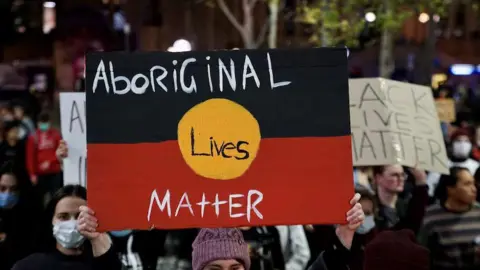
Mixed reactions to the legislation have surfaced; while the Queensland Police Union hailed it as a positive step, concerns persist about its implications, especially for Indigenous youth. The new Attorney-General, Deb Frecklington, acknowledged that the changes could conflict with international standards on children's rights. She expressed concern that these laws could disproportionately affect Indigenous communities and lead to longer detentions due to overcrowded facilities.
Anne Hollonds, Australia's commissioner for children, labeled these legislative changes as an "international embarrassment", arguing that they disregard the evidence-based understanding that early contact with the justice system can lead to a cycle of reoffending. Legal experts have warned that the new rules may have unintended consequences, including children being less likely to plead guilty, further complicating judicial processes.
While the Queensland government maintains that it intends to develop additional facilities and programs to manage youth offenders, critics remain skeptical about the real impacts of these toughened laws on juvenile crime and broader societal outcomes. The debate continues, with many advocating for alternative approaches that focus on rehabilitation rather than retribution.