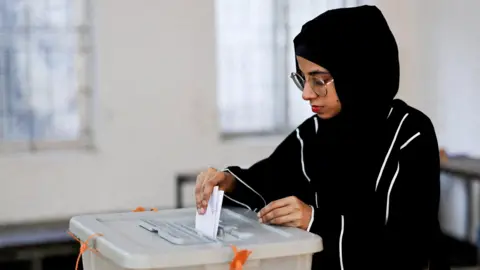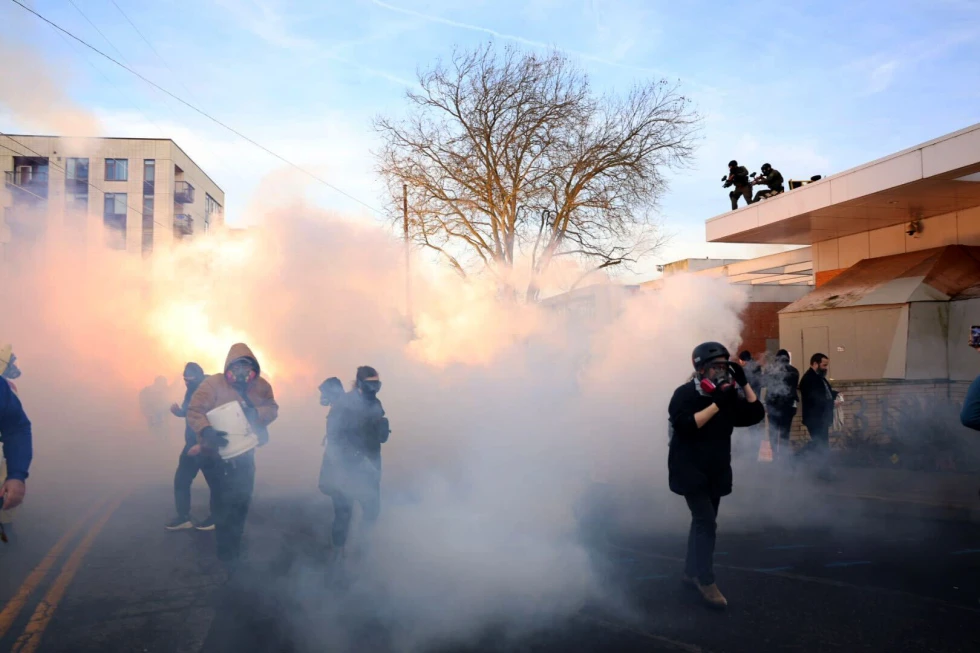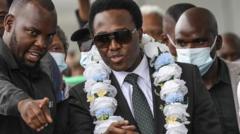
Mozambique's political terrain is fraught with tension after the recent election results were declared amidst widespread allegations of rigging, culminating in Mondlane rejecting the outcome in which President Chapo was declared the victor with a 65% vote share. He has positioned himself as the "people's president," and has launched a platform advocating for the release of detainees, financial reparations for victims of police violence, and medical treatment for the injured—essentially calling for reconciliation and accountability before any collaboration.
In contrast, President Chapo is attempting to navigate the aftermath of the elections with a focus on inclusivity in governance and reforms aimed at addressing Ecuador's pressing human rights issues. Chapo emphasized the importance of a team evaluating potential government members based on their qualifications, but his response regarding Mondlane's qualification for a cabinet role remains cautious, leaving room for negotiations.
As the political landscape evolves, both leaders appear to recognize the need for unity to quell unrest and foster a stable environment conducive to investment and economic revitalization. Both are under pressure from a populace increasingly eager for change and economic opportunities, particularly among the youth. How these discussions unfold may significantly influence Mozambique's future trajectory in the post-election climate.
With Mondlane's readiness to engage presenting a potential shift away from outright confrontation, the political dialogue in Mozambique stands as a crucial opportunity for healing and progress following a period of intense civil strife.
In contrast, President Chapo is attempting to navigate the aftermath of the elections with a focus on inclusivity in governance and reforms aimed at addressing Ecuador's pressing human rights issues. Chapo emphasized the importance of a team evaluating potential government members based on their qualifications, but his response regarding Mondlane's qualification for a cabinet role remains cautious, leaving room for negotiations.
As the political landscape evolves, both leaders appear to recognize the need for unity to quell unrest and foster a stable environment conducive to investment and economic revitalization. Both are under pressure from a populace increasingly eager for change and economic opportunities, particularly among the youth. How these discussions unfold may significantly influence Mozambique's future trajectory in the post-election climate.
With Mondlane's readiness to engage presenting a potential shift away from outright confrontation, the political dialogue in Mozambique stands as a crucial opportunity for healing and progress following a period of intense civil strife.