In brief
A recent stampede at the Kumbh Mela, one of the world's largest religious gatherings in India, sparked chaos as millions attended the event. Despite the swift restoration of order, questions linger regarding the local government’s delayed communication about casualties, raising suspicions of a cover-up to protect political interests.
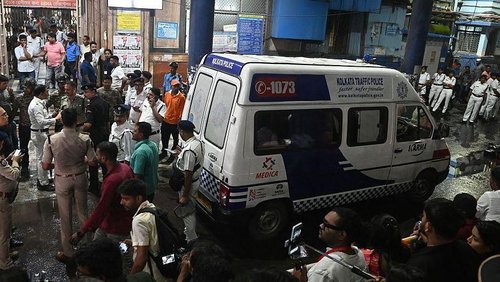
On the morning of the festival in Prayagraj, ambulances navigated through crowds to transport dozens to hospitals, some fatally injured. Local authorities quickly resumed festival activities, with worshippers partaking in a sacred bathing ritual at the holy site, a confluence of three rivers, including one deemed mythical. Officials even deployed advanced technology, including A.I.-powered video surveillance, promising safety for attendees.However, despite being aware of past stampede incidents, officials refrained from revealing an initial death toll for nearly 15 hours following the incident. Instead, they provided upbeat updates about the number of attendees completing the bathing rites, which provoked criticism.The lack of transparency regarding the tragedy’s human cost has led to unrest among the public and calls for accountability from authorities. As the Kumbh Mela draws millions and serves as a significant event for Hindus, the response to this perilous incident may have lasting implications for both public trust and political stability in the region.