In brief
The ongoing conflict over fishing rights between the UK and EU heads to arbitration, with significant implications for marine wildlife protection and the fishing industry.
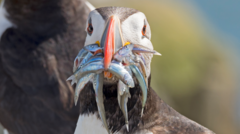
The humble sandeel, a species crucial for marine ecology, is set to become the focal point of a pivotal legal confrontation between the UK and the EU, marking the first significant trade dispute since Brexit. The UK government has prohibited European vessels from fishing sandeels in its North Sea waters, citing the need to protect endangered marine wildlife such as seabirds. In response, the EU is contesting this ban, claiming it unjustly targets Danish fishermen whose livelihoods depend on the commercial harvesting of sandeel, thereby violating the post-Brexit trade agreement.As negotiations fell short, the case is slated for a three-day tribunal hearing at the Permanent Court of Arbitration in The Hague, commencing next Tuesday. Unless an agreement is reached beforehand, this will represent the inaugural arbitration under the 2021 trade deal orchestrated by Boris Johnson. The tribunal, consisting of three internationally appointed trade judges, will evaluate the situation and either support the UK's conservation stance or compel changes to the restrictions. Should the latter occur and the UK refuse to comply, the EU might retaliate with tariffs on British exports.The trade ruling is mandated by the agreement to be delivered by April's end, and intriguingly, it cannot be appealed. This tribunal clash comes during a period of delicate negotiations between the UK and EU, particularly regarding future fishing quotas expected to undergo review in June of next year as current arrangements expire.The dispute is rooted in the UK's robust measures against overfishing, largely celebrated by environmental groups who praise the government's actions to safeguard marine ecosystems. Conversely, it has incited the ire of Danish fishermen reliant on the sandeel for producing animal feed and fish oil, rights to which they are entitled under the trade agreement.Sandeel, a small fish that is not typically served in restaurants, plays a vital role in the North Sea food chain, sustaining various fish species and endangered seabirds, including puffins and kittiwakes. Amidst rising tensions, the UK has imposed strict licensing controls on domestic fishing since 2021, culminating in a total ban on sandeel fishing enacted by Rishi Sunak’s Conservative government last March, with a corresponding ban from Scotland's SNP-led administration.The crux of the conflict revolves around whether the UK’s conservation objectives justify such restrictions against established EU fishing rights. Submissions from the EU assert that the UK’s geographical ban is unsupported by scientific data regarding sandeel stock levels and neglects the economic ramifications for Danish communities. Although the UK has yet to release its full defense, a government spokesperson affirmed its commitment to balancing environmental goals with trade obligations. This contentious issue has attracted attention from an unusual alliance of political parties, conservation advocates, and proponents of Brexit. Proponents of renewable energy also argue that maintaining sandeel populations is essential for environmental resilience, allowing for the expansion of offshore wind farms while meeting conservation benchmarks.The UK previously estimated its sandeel catch represented roughly £45 million annually—a modest figure against the backdrop of overall trade dynamics. As this vital case unfolds, analysts keenly observe how arbitrators will navigate the interplay between ecological conservation and commercial fishing rights.