The flamingo symbol of Albanian protest grows into a call for resignation
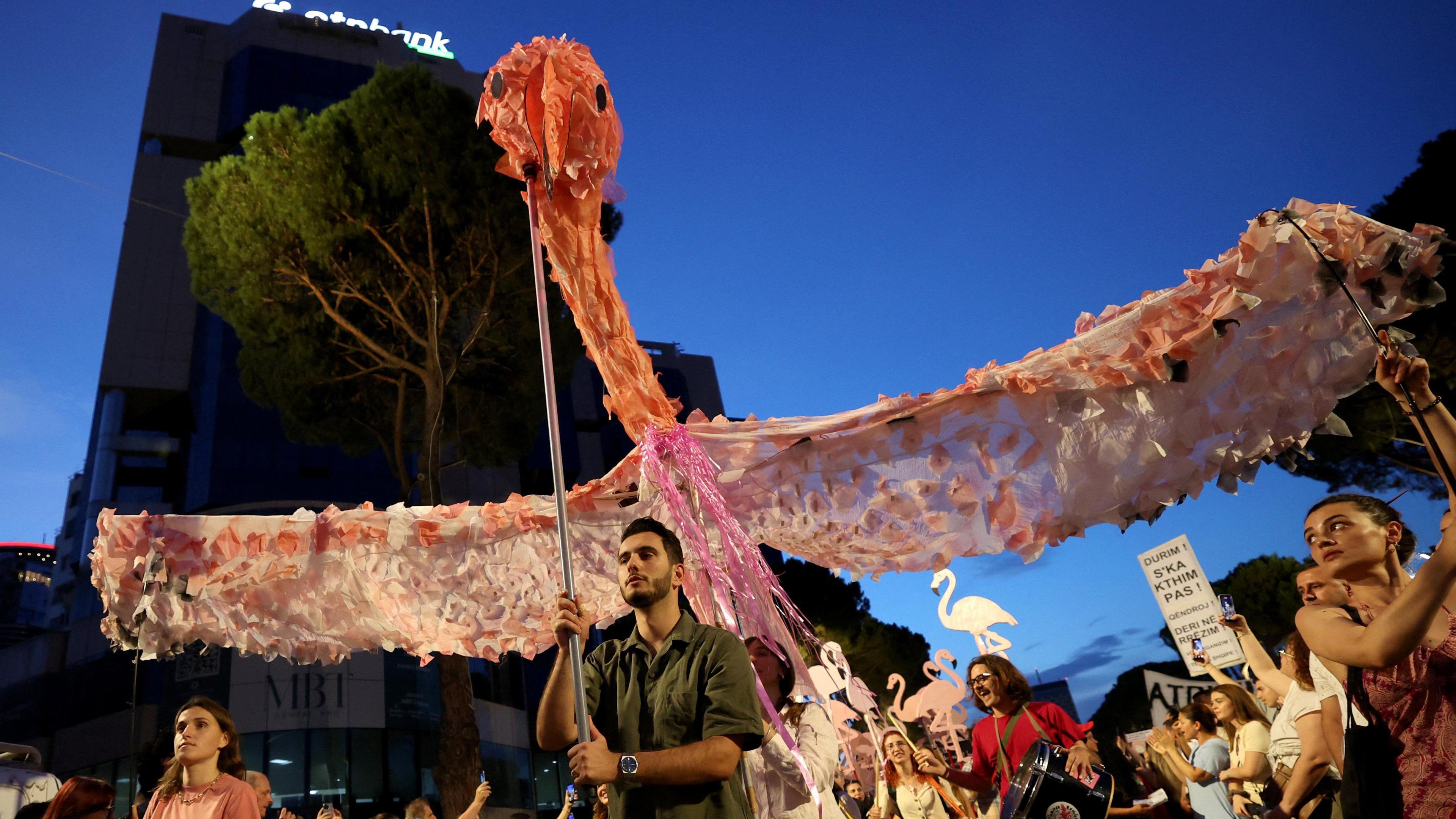
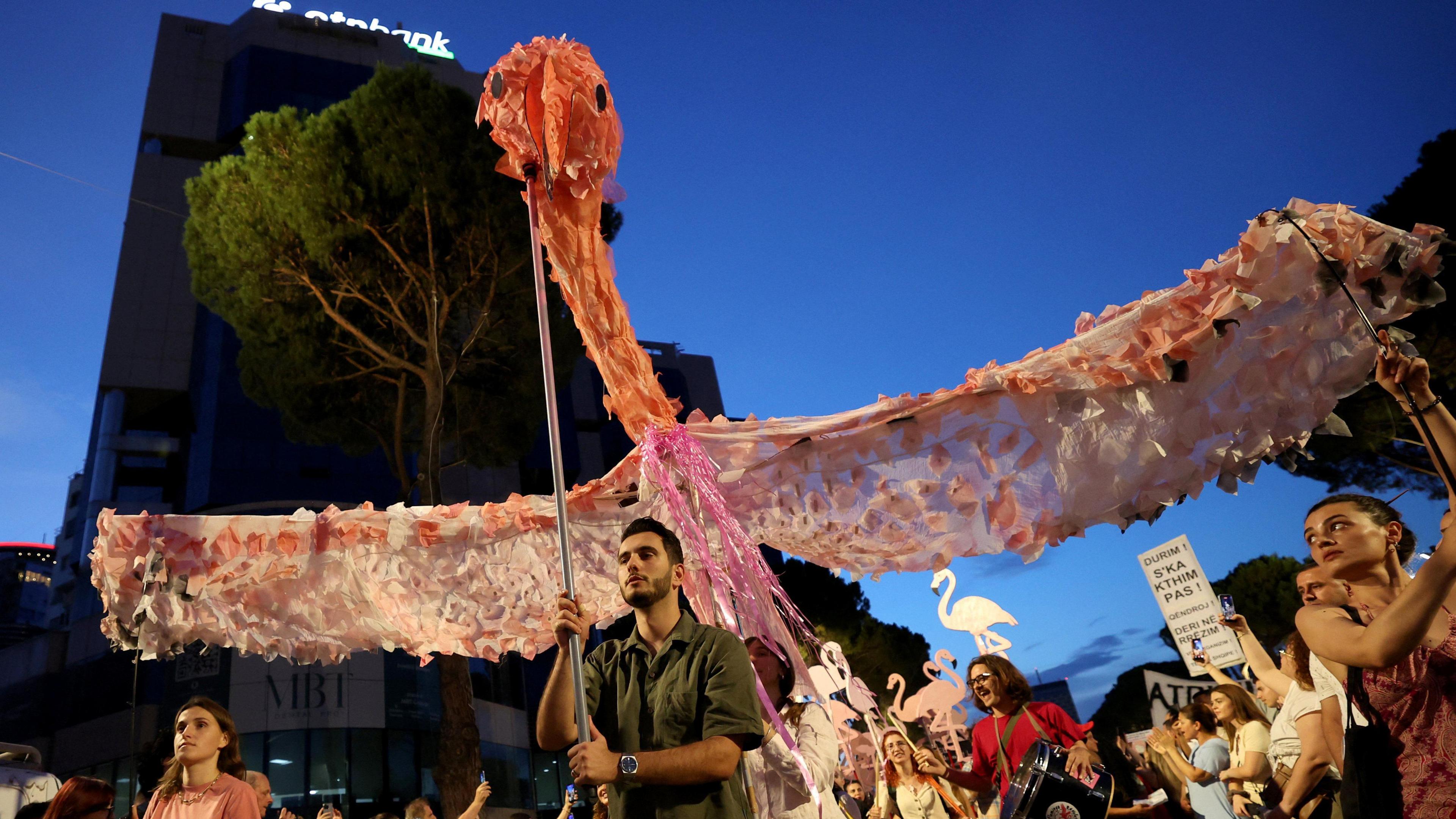
The annual night rallies around the capital city of Tirana, once driven by a promise of a luxury resort near the protected Narta Lagoon, have evolved into a nationwide demand for Prime Minister Edi Rama’s resignation. The pink flamingos that flapped across the head of a protester’s hand in the early days have become a rallying icon; now crowds chant about schools, jobs, hospitals and general living conditions, demanding systemic reform.
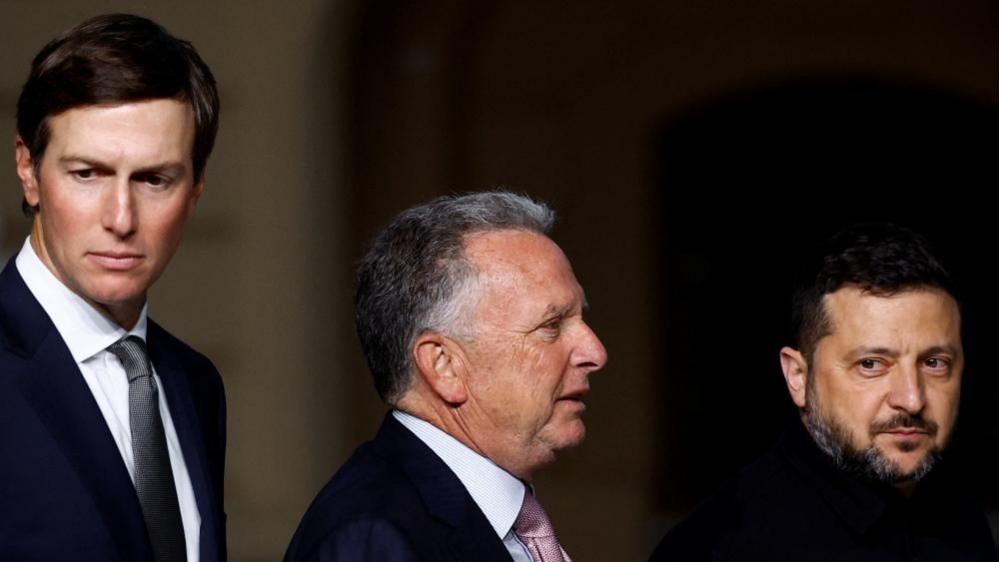
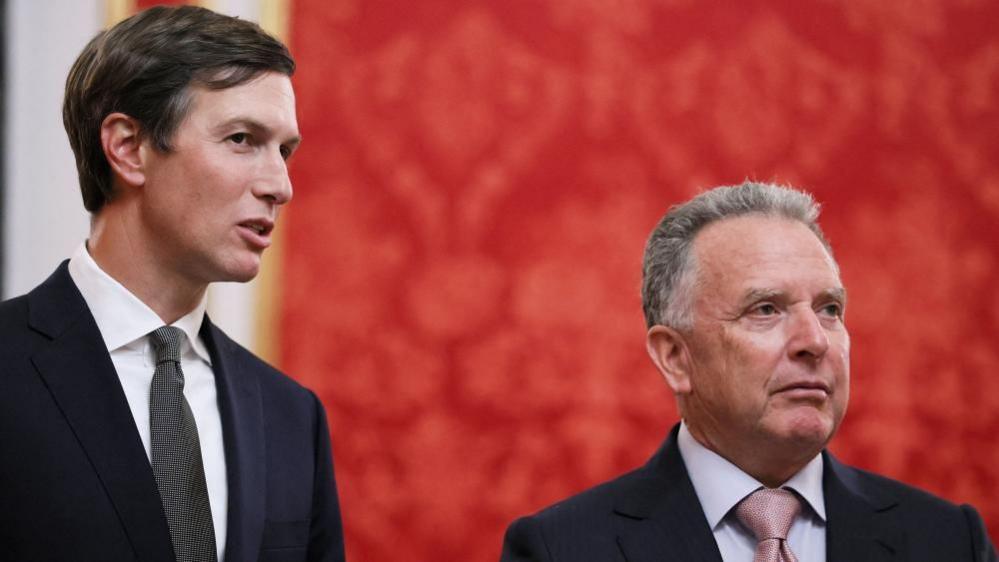
At the heart of the protests is a consortium led by well‑connected investors, including Jared Kushner, the former U.S. President’s son‑in‑law, who has been granted “special investor” status for a high‑profile resort. The government’s failure to secure environmental permits or conduct an impact assessment—yet evidence of bulldozers on the site—has sparked outrage. Reports of security forces beating a protester, confirmed by the Prime Minister himself, further inflamed public sentiment.
Adding a personal dimension to the dispute is the recent resignation of 25‑year‑old activist Marjana Koceku, once chosen by Rama to represent the Socialist Party. Koceku has publicly accused the PM of perpetuating “oligarchy, organised crime and corruption.” She notes that the glittering skyline of Tirana, built by international architects, now hides the shadows of profiteering.
While Rama maintains that protests signal a healthy democracy and vows impartial justice, anti‑corruption prosecutors have begun investigations that include his former deputy and the mayor of Tirana. The debate over the legitimacy of his governance continues to play out on the very streets where flamingos once fluttered.
In the meantime, the flamingo remains a striking visual reminder of a movement that has outstretched itself beyond a single issue, evolving into an all‑encompassing demand for accountability and better governance in Albania.